



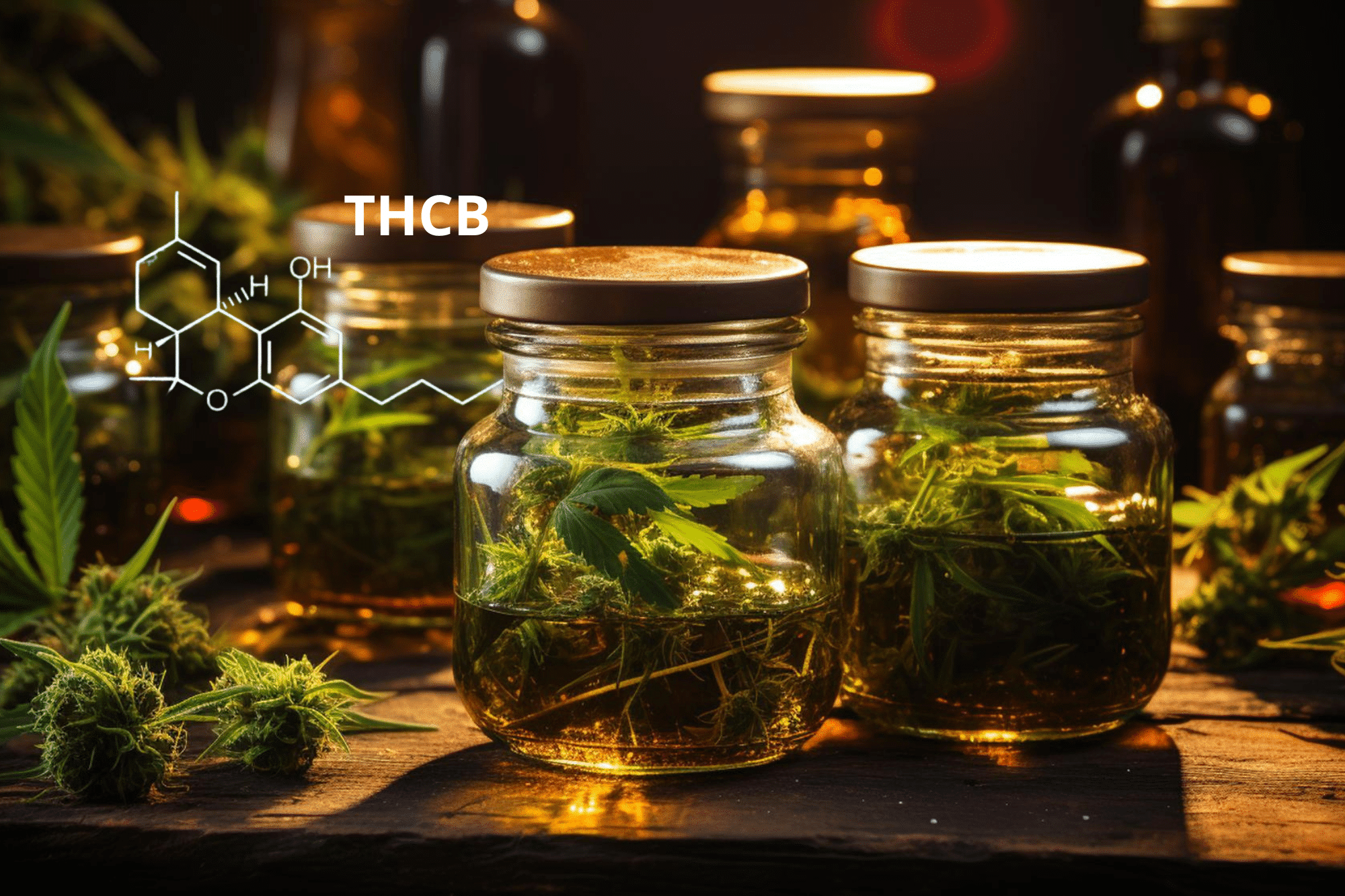
Let's discover THCB: A New Frontier in Cannabis Research
The cannabis plant continues to surprise with its complex chemical profile, which includes more than 120 identified cannabinoids. Among these, a recent discovery by a team of Italian scientists has attracted the attention of researchers and enthusiasts alike: THCB, or Delta-9 tetrahydrocannabinol. This new cannabinoid shares a close relationship with THC, the best-known psychoactive component of cannabis, but it possesses unique properties that could open up new therapeutic possibilities.
What exactly is THCB?
THCB stands out as a close relative of THC, the main psychoactive ingredient in cannabis known for its potent effects on the human mind. The discovery of THCB opened a fascinating chapter in cannabinoid research, suggesting a nuanced chemical landscape within the cannabis plant that is far from being fully explored.
The Discovery of THCB
In the final months of 2019, a group of dedicated Italian researchers isolated THCB, marking a significant milestone in cannabis research. This event underscored the ongoing quest to understand the plant's complex chemistry and its numerous compounds, each with potential therapeutic benefits.
The Interaction of THCB with the Endocannabinoid System
THCB mimics THC in how it interacts with the endocannabinoid system, primarily affecting CB1 and CB2 receptors in the brain. Intriguingly, initial research suggests that THCB may bind even more strongly to these receptors than THC, hinting at a potentially more potent impact on the human body.
The Potential of THCB: Initial Findings
Although research on THCB is still in its early stages, initial animal studies are revealing promising effects, including pain relief, slowed reaction times, and deeper sleep. These findings suggest that THCB could offer similar benefits to THC, with additional properties yet to be discovered.
A More Powerful Alternative to THC?
Given THCB's higher affinity for CB1 receptors, scientists speculate that it could surpass THC in potency. However, this theory remains to be validated in human studies. The scarcity of THCB in cannabis plants also poses a challenge in assessing its efficacy and potential applications.
THCB in Cannabis Cultivars: An Unsolved Mystery
Identifying cannabis strains rich in THCB is currently a matter of speculation, as limited research provides little insight into its presence across different cultivars. This knowledge gap underscores the need for further investigation into THCB and its distribution within the cannabis plant.
Proceed with Caution: Understanding the Risks of THCB
Exploring the benefits of THCB comes with a note of caution. The lack of extensive research means that potential side effects and psychoactive properties remain largely unknown. Until more data emerges, caution is advised when using THCB, especially for those seeking its therapeutic benefits.
An Overview of the Future of Cannabis Research
The discovery of THCB represents just the tip of the iceberg in cannabis research. With each new cannabinoid discovered, the potential for new therapies and a deeper understanding of the plant's interaction with the human body grows. As research progresses, THCB could soon find its place among the pantheon of cannabinoids known for their therapeutic value. As research advances, THCB could reveal its true capabilities and potentially reshape our understanding of cannabis and its countless benefits. The quest to unravel the mysteries of THCB is only just beginning, promising exciting developments on the horizon for cannabis science and medicine.
The Continuous Pursuit of Knowledge
The path to understanding THCB and its place within the cannabis ecosystem is paved with curiosity and the pursuit of knowledge. As scientists delve deeper into the secrets of this cannabinoid, the promise of new discoveries and applications emerges, offering hope for future advancements in cannabis-based therapies.
Conclusion: The Uncharted Territory of THCB
With its close relationship to THC and its unique properties, THCB presents itself as a significant potential in the vast and complex world of cannabinoids. As research progresses, the true value of THCB will emerge, potentially redefining our understanding of cannabis and its many benefits. The journey to unravel the mysteries of THCB is only just beginning, promising exciting advancements for cannabis science and medicine.
Exploring THCB and its potential applications underscores the importance of ongoing research and innovation in the cannabis field. As we venture into this new era of discovery, the potential for finding more effective and personalized therapeutic solutions becomes increasingly tangible. With each advancement, we move closer to a more comprehensive understanding of the countless ways cannabis can contribute to health and well-being.
The future of THCB research is rich with possibilities, promising to expand our arsenal of cannabis-based treatments and offer new insights into the complex mechanisms that govern the interaction between cannabinoids and the human body. By continuing our quest for knowledge, we can hope to unlock the secrets of THCB and, in doing so, pave the way for new frontiers in cannabis medicine. The discovery of THCB is just the beginning, a reminder that cannabis still holds many mysteries to be revealed, each with the potential to enrich our understanding and use of this extraordinary plant.
Looking for vaping products? Discover ProVape