



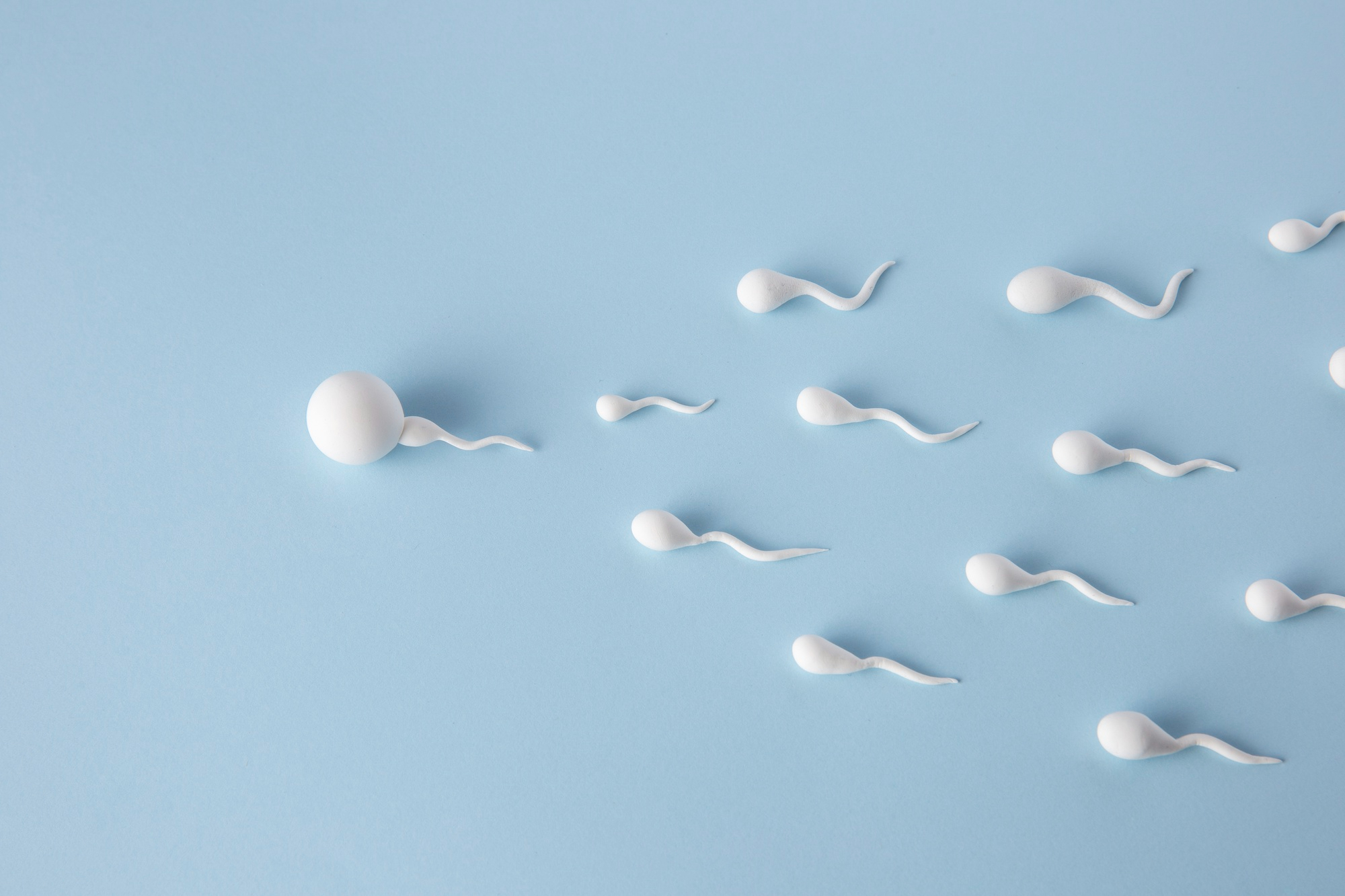
Moderate cannabis use does not appear to harm fertility
Cannabis of whom report using it regularly. While debates rage around its legalization and the health effects of cannabis are widely discussed, a surprising study from Harvard University reveals that moderate cannabis use may not harm male fertility, contrary to previous beliefs.
This study, published in the prestigious scientific journal Human Reproduction, specifically examined the effect of cannabis on sperm quality, using a large and representative sample. Researchers meticulously analyzed 1,143 sperm samples from 662 men, with an average age of 36, who were followed between 2000 and 2017 at a fertility clinic. These men also completed a detailed questionnaire about their cannabis use, allowing the scientists to precisely classify the respondents as never-users, former users, and current users.
The results are surprising: on average, men who had previously smoked cannabis had a significantly higher sperm count per milliliter (62.7 million) than those who had never smoked it (45.4 million). Another remarkable finding: no significant difference was observed between former and current users, with 63.5 and 59.5 million sperm per milliliter, respectively.
These figures challenge the common perception that cannabis is necessarily harmful to male fertility. In fact, only 5% of smokers had a sperm count below the WHO threshold of 15 million per milliliter, considered the minimum for optimal fertility. Conversely, 12% of non-smokers had a sperm count below this critical threshold.
The lead author of this research, Feiby Nassan, explains that this data contradicts conventional wisdom. She proposes two main hypotheses to explain these surprising results: the first concerns the potential role of the endocannabinoid system, stimulated by low levels of cannabis use, playing a beneficial role in sperm production. Conversely, excessive use would tend to reverse these positive effects, confirming that moderation is indeed key. The second explanation is behavioral: men with high testosterone levels may be naturally more inclined to engage in risky behaviors, including cannabis use.
Effects of cannabis and caffeine on sperm quality
Furthermore, another interesting study from Brazil examined a more commonplace and everyday consumption: that of coffee. Researchers analyzed the sperm of 750 men based on their daily coffee consumption, ranging from light drinkers (1 to 3 cups per day) to heavy consumers (more than 6 cups daily).
While sperm count or concentration did not vary according to coffee consumption, a significant difference was observed in sperm motility: the sperm of heavy coffee drinkers were considerably more motile than those of men who did not drink coffee. These results open up interesting new therapeutic avenues, suggesting the potential use of caffeine as a natural stimulant of sperm motility, a key factor in male fertility.
The effects of cannabis: a mixed reality?
While the Harvard study offers a nuanced perspective on moderate cannabis use, other studies highlight significantly more detrimental effects. A study conducted on 22 men who had been using cannabis for approximately five years demonstrated that the substance could severely impair sperm quality. These researchers observed a decrease in both the number and volume of sperm produced. Furthermore, they noted that cannabis caused an initial acceleration of sperm motility, followed by a rapid immobilization of the sperm.
The main component of the cannabis in question is tetrahydrocannabinol, better known by its acronym THC. This compound interacts directly with cannabinoid receptors present on human sperm, potentially preventing them from properly attaching to the egg, thus severely compromising natural fertilization.
These contradictory results reflect a complexity that is still not fully understood regarding the effects of cannabis on male fertility, highlighting the need for further, more in-depth and large-scale studies to precisely identify which levels and patterns of consumption might have beneficial or harmful effects on human reproduction.
Read also
While cannabis is often discussed for its effects on male fertility, it is equally important to study its potential consequences on female fertility. Some studies are beginning to indicate that THC could alter hormone levels in women, thus disrupting their menstrual cycle and overall fertility. However, these results remain preliminary and require confirmation through more rigorous clinical trials.
Furthermore, research is increasing on the numerous potential effects of cannabis on human health in general: effects on cognition, memory, stress and anxiety management, and even chronic pain. This rapidly expanding scientific field is of interest to both consumers and the medical community, which is constantly searching for effective alternative treatments.
A complex substance with multiple effects
All of this research paints a complex and nuanced picture of the effects of cannabis on fertility. As with many natural or psychoactive substances, it is clear that the key lies in moderation and control of its use. The Harvard results suggest that low levels of consumption may not be harmful, and may even be beneficial in some cases, but that abuse quickly leads to demonstrable negative effects.
Therefore, it is essential for every consumer or person considering the therapeutic or recreational use of cannabis to be aware of these important nuances, to adopt an informed and enlightened consumption, and to regularly exchange information with healthcare professionals capable of offering personalized and rigorous support.
In light of these diverse results, the debate on the legalization or not of cannabis should incorporate this scientific data to enrich societal and political discussions around a complex but unavoidable subject.
This informative and comprehensive article will help you better understand the potential impacts of cannabis and hemp on male fertility. For more information and to stay informed, regularly check our news and articles dedicated to these important health topics.