



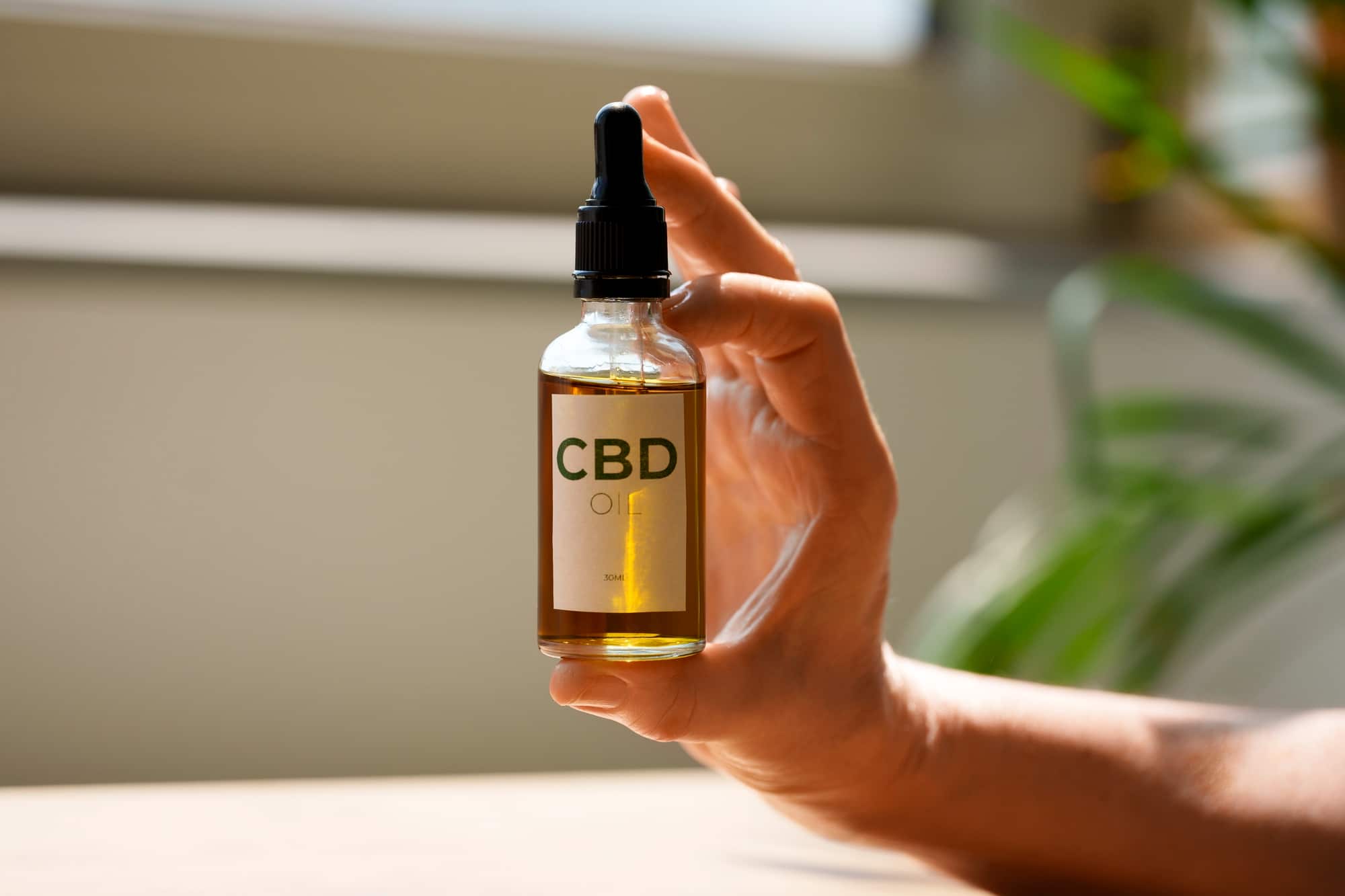
CBD oil is increasingly popular in the health and wellness sector. Its benefits, supported by scientific studies, position it as an interesting option for various ailments, including anxiety, chronic pain, and even some forms of epilepsy. However, despite its promising potential, it's essential to understand that research on CBD is still ongoing, and its effects can vary from person to person. Here's an overview of nine key benefits ofCBD oil, along with potential side effects to consider.
1. Relief from anxiety and depression
One of the most popular effects of CBD is its ability to reduce anxiety. A 2017 study published in the Brazilian Journal of Psychiatryfound that 300 mg of CBD administered before a public speaking simulation significantly reduced anxiety levels in participants. However, the same study showed that lower (150 mg) or higher (600 mg) doses did not have the same effects, demonstrating that the optimal dose can vary from person to person.
Furthermore, a study on mice showed that CBD may have antidepressant effects similar to those of imipramine, a common antidepressant. That said, further studies are needed to confirm these effects in humans.
2. Treatment of certain epileptic syndromes
In 2018, the Food and Drug Administration (FDA) approved the use of CBD under the brand name Epidiolex to treat two rare and severe forms of epilepsy: Lennox-Gastaut syndrome and Dravet syndrome. This approval was based on three rigorous clinical studies that demonstrated that Epidiolex significantly reduced the frequency of epileptic seizures in patients compared to a placebo.
Although these results are encouraging, it is important to note that this type of treatment should be supervised by a doctor, especially when combined with other medications.
3. Reduction of post-traumatic stress (PTS) symptoms
CBD also shows promise in treating the symptoms of post-traumatic stress disorder (PTSD). A small 2018 study showed that 10 of 11 participants who took CBD in combination with standard psychiatric care experienced a reduction in their PTSD symptoms. However, the researchers emphasize that CBD should be used in conjunction with more traditional therapies.
Studies also indicate that CBD works even better when combined with THC, creating what is known as the "entourage effect," where the two compounds mutually enhance their benefits. This means that a low dose of THC with a higher amount of CBD could be more effective in treating stress-related disorders.
4. Aid in the treatment of opioid addiction
Some studies suggest that CBD could be a helpful tool in treating opioid addiction. One study found that CBD could reduce heroin cravings and withdrawal symptoms in addicted patients without causing serious side effects
In addition, it has been found that CBD can also help alleviate certain psychiatric and physical symptoms related to drug addiction, such as anxiety, insomnia, and pain.
5. Relief from the symptoms of amyotrophic lateral sclerosis (ALS)
Amyotrophic lateral sclerosis (ALS) is a neurodegenerative disease that leads to a progressive loss of muscle control. Research on CBD, in combination with THC, suggests that this combination could help alleviate some symptoms, particularly muscle spasticity.
A 2019 study found that ALS patients expressed high satisfaction with this therapeutic approach, particularly those with moderate to severe spasticity.
6. Relief from chronic pain
Canada approved the use of Sativex, a THC and CBD spray, in 2005 to treat neuropathic pain associated with multiple sclerosis. This medication was subsequently approved for cancer-related pain in 2007.
Studies in the United States indicate that topical CBD application may also relieve chronic pain unrelated to cancer. A 2020 study showed that patients with peripheral neuropathy experienced a significant reduction in severe pain and sensations of cold after topical CBD application, compared to a placebo.
7. Reduction of diabetes-related complications
CBD may also play a role in managing diabetes-related complications. Studies on human cells have shown that CBD can reduce the negative effects of high glucose levels, a key factor in the development of diabetes and its complications.
In another study, patients with type 2 diabetes who were not taking insulin saw their levels of resistin, a protein that promotes insulin resistance, decrease after taking CBD. Furthermore, CBD increased levels of peptides that promote insulin secretion.
8. Protection against neurological diseases
The antioxidant and anti-inflammatory properties of CBD may offer protection against certain neurological diseases. Preclinical studies suggest that CBD could have beneficial effects against Parkinson's disease, multiple sclerosis, and even Alzheimer's disease.
However, although these results are encouraging, further clinical studies are needed to confirm the benefits of CBD in the prevention or treatment of these diseases.
9. Relief from arthritis symptoms
Arthritis is a degenerative disease that affects the joints, causing pain and loss of mobility. A 2006 study showed that Sativex, a CBD-based spray, could significantly improve sleep and reduce pain in patients with rheumatoid arthritis.
Furthermore, a more recent study conducted in 2018 showed that applying CBD gel could alleviate osteoarthritis pain, although the results were not entirely conclusive. Some patients, particularly men, showed significant improvement, while the results were less pronounced in women.
Potential side effects of CBD oil
Although CBD oil is generally well-tolerated, it can cause some side effects. Among the most common are drowsiness, diarrhea, changes in appetite, and mood swings. CBD can also interfere with certain medications, particularly those metabolized by the liver.
It is important to note that the use of CBD is not recommended for pregnant or breastfeeding women, and that any consumption should be discussed with a healthcare professional.
What is the best way to consume CBD oil?
For optimal effect, it is recommended to apply CBD oil under the tongue, where it will be absorbed directly into the bloodstream. For treating chronic or inflammatory pain, topical application can be an effective alternative.
How to determine if CBD oil is right for you?
Before you start using CBD oil , it's essential to consult a healthcare professional to discuss your medical history and wellness goals. It's advisable to start with a low dose and observe the effects before gradually increasing it if necessary.
Conclusion
CBD as with any treatment, it's important to consult a healthcare professional before starting a CBD regimen, especially if you're taking other medications or have underlying health conditions.