



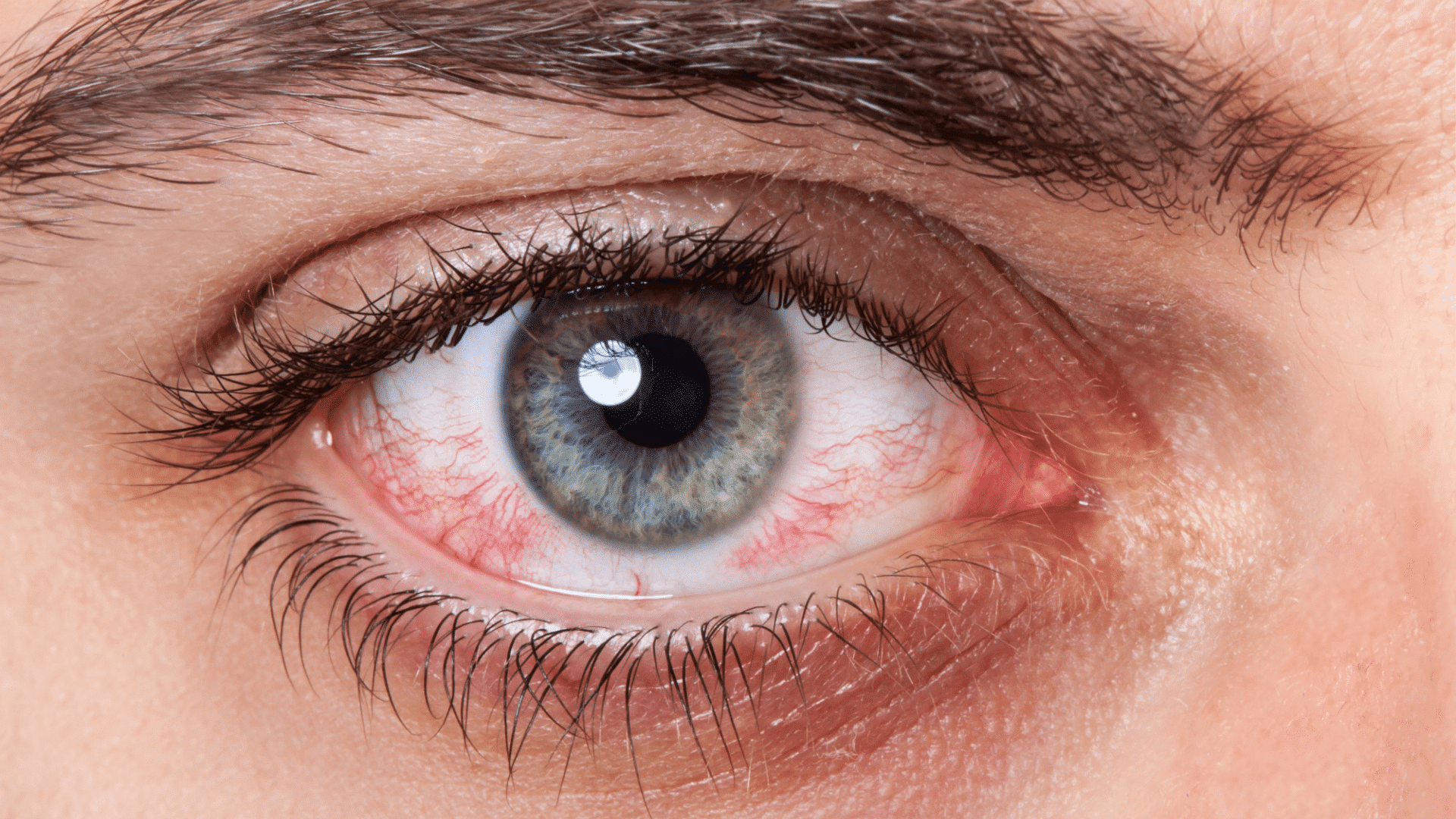
CBD (cannabidiol) cause red eyes? Red, watery, and inflamed eyes are indeed one of the most common side effects of cannabis use. However, this side effect is generally associated with marijuana high in THC.
And what about cannabidiol? Does CBD also cause red eyes? In short, no, it doesn't. But of course, the answer isn't quite that simple.
Cannabis, CBD, and bloodshot eyes
It is undeniable that cannabis has the potential to help alleviate a litany of medical conditions and symptoms. Of course, cannabis plants can differ enormously in terms of their chemical profiles. Regarding their effects on the human body, THC (tetrahydrocannabinol) and CBD (cannabidiol) are generally considered the two compounds best known for influencing our physiology.
When it comes to red eyes specifically, however, THC appears to be the sole culprit. When THC enters the body, it lowers blood pressure, thus dilating blood vessels. This includes the tiny blood vessels located behind the eye.
When blood vessels dilate (widen), blood flow to the eyes increases quite significantly. This helps reduce the built-up pressure, and coincidentally, this is why high-THC cannabis is often used for glaucoma. And this applies to any consumption of THC. Things like high-THC foods and oils will produce just as much bloodshot eyes as smoking.
Things like foods and oils with high THC content will produce just as many bloodshot eyes as smoking.
Unfortunately, the increased blood flow to the eyes also results in a red, puffy, watery, and irritated look that has become so stereotypical of marijuana users over generations.
CBD doesn't produce those same types of effects, so if you've asked the question "does CBD cause red eyes?", the answer is a resounding "no." It could be smoke (or another allergen), but it shouldn't be the CBD itself causing the irritation.

CBD: What is it?
Although there are hundreds of compounds in marijuana, CBD is one of the main components. As discussed above, CBD is short for cannabidiol. CBD is found in most cannabis strains, although in varying amounts.
For example, in potent, THC-rich strains, CBD may be present only in trace amounts. In CBD-rich varieties, however, it can make up to 20% or more of the plant's dry weight.
The chemical structure of CBD is quite similar to that of THC. The difference lies in one key element: CBD contains an additional combination of hydrogen and oxygen. This subtle change allows CBD to function without disrupting cognitive processes.
According to most anecdotal evidence, CBD is cited as safe to use in various forms. A recent report from the World Health Organization corroborates this, stating that CBD "shows no effects indicating potential for abuse or addiction." The report also indicates that "there is no evidence of public health problems associated with the use of pure CBD.
How does CBD work?
The body must maintain a balance of processes such as temperature, mood, memory, and movement, a process known as homeostasis. The endocannabinoid system, also known as the ECS, plays a major role in this process.
The endocannabinoid system (ECS) is abundant in both the peripheral and central nervous systems. It consists of a network of receptors and endocannabinoids, which are cannabinoids produced in the human body. The cannabinoids found in cannabis plants are called phytocannabinoids. CBD and THC, of course, are both phytocannabinoids.
While THC binds directly to endocannabinoid receptors (thus galvanizing cognitive changes), CBD acts more indirectly. CBD does not appear to bind directly to any receptor. Instead, it seems to influence a variety of receptor-independent pathways and ion channels to produce a range of beneficial effects.
Dilation of blood vessels is not part of this "range of beneficial effects." For this reason, we can more or less dispel the myth that CBD causes red eyes.
If you experience red eyes from cannabis use, rest assured it's not too difficult to resolve. Methods to prevent and soothe marijuana-induced bloodshot eyes include proper hydration and the use of quality eye drops. Alternatively, switching from a high-THC strain to a high-CBD/low-THC strain may also do the trick.
Overall, we hope this article has helped answer the question of whether or not CBD causes red eyes. If you want to consume cannabis but dislike the irritated look of your eyes, responsible consumption of quality CBD products can allow you to experience beneficial effects without suffering from swollen, watery, and red eyes.