



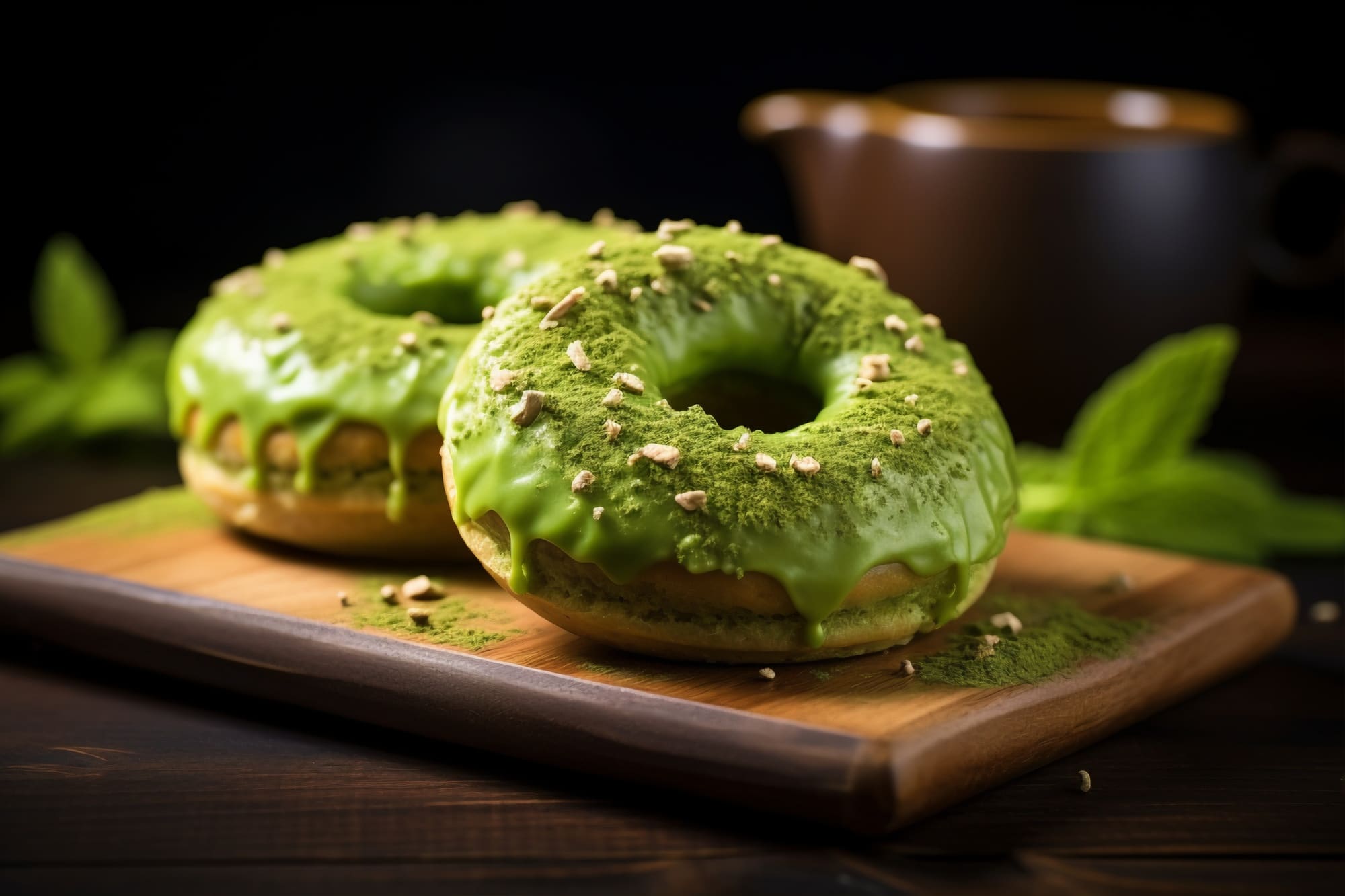
CBD resin is a potent substance extracted from cannabis by removing the trichomes, or resin glands, from the plant's surface. This extraction process concentrates cannabinoids such as CBD and a small amount of THC, making CBD resin particularly prized for culinary use. Unlike cannabis flowers, resin allows for more precise dosing, making it a preferred ingredient for preparing edibles—that is, CBD-infused foods and beverages.
Why Cook with CBD Resin?
Cooking with CBD resin offers several advantages over using cannabis flowers. First, because resin is a homogeneous substance, it allows for even distribution of CBD throughout the dish. Furthermore, if you know the CBD content of your resin, you can easily calculate the amount of CBD per serving. This precise dosage control is crucial for those seeking specific effects, particularly for medicinal purposes.
Another advantage of cooking with CBD resin is the taste. Unlike edibles made from cannabis flowers, which can have a grassy flavor, dishes infused with resin offer a deeper, earthier flavor, often preferred by connoisseurs.
Finally, consuming CBD resin edibles offers a different experience than vaping or smoking. When you eat edibles, your body absorbs CBD more gradually, providing a relaxing effect that can last for several hours. This method is particularly suitable for those looking to avoid combustion, whether for health reasons or personal preference.
What is CBD Resin?
CBD resin is a concentrated form of cannabis, obtained by extracting the trichomes, the tiny resinous glands that cover the cannabis flowers. These trichomes are rich in cannabinoids, particularly CBD, making the resin extremely potent and effective for therapeutic use.
CBD hash typically comes in the form of a brick or ball, with a texture that can range from pasty to crumbly. Its color varies from brown to dark green, or even golden, depending on the production method.
How to Cook with CBD Resin?
Even if you're used to cooking with cannabis flowers, it's important to understand that cooking with CBD hash requires some adjustments. Here are the main differences:
- Ease of use : The dry, crumbly resin can be easily ground and mixed directly into food, unlike cannabis which first need to be processed into cannabutter.
- CBD concentration : CBD resin is more concentrated in cannabinoids, dishes prepared with it will be more potent, therefore requiring less quantity to obtain the same effect.
- Shelf life : Edibles made from CBD resin tend to last longer than those made with cannabis flowers.
Decarboxylation of CBD Resin: An Essential Step
Before cooking with CBD hash, it's essential to decarboxylate it. Decarboxylation is a process that activates the cannabinoids present in the resin, transforming inactive compounds into active CBD. This step is crucial to ensuring the effectiveness of your edibles.
Methods for Decarboxylating CBD Resin
There are two main methods for decarboxylating CBD resin:
- Oven Method : Preheat your oven to 120°C (250°F). Spread the resin on a baking sheet lined with parchment paper and bake for approximately 45 minutes. This method is simple and effective, although it requires careful monitoring to avoid exceeding the ideal temperature.
- Water bath : Fill a saucepan with boiling water and place a Pyrex bowl or mixing bowl over the water. Maintain the temperature at 120°C (248°F) using a kitchen thermometer. Heat the resin in the bowl for approximately 30 minutes. This method is ideal for those who prefer a gentler, more controlled approach.
Once the CBD resin is decarboxylated, you can infuse it in a fat such as butter or oil, which you will then use for cooking. Be careful not to exceed 120°C during decarboxylation, as this could reduce the effectiveness of your preparation.
Delicious Recipes Made with CBD Resin
CBD hash is extremely versatile in cooking and can be used in a variety of dishes, from drinks to desserts.
1. CBD Resin Butter
CBD resin butter is a variation of the classic cannabutter. Since CBD resin is more concentrated in cannabinoids than cannabis flowers, you'll need to adjust the quantities to avoid an excessive dosage. For high-quality resin with a high CBD percentage, you can halve the amount used compared to a standard cannabutter recipe. Once your CBD resin butter is ready, you can use it in all sorts of recipes, from cookies to stir-fries.
2. CBD Resin Tea
CBD resin tea is a soothing and comforting alternative. To prepare it, you can follow any cannabis tea recipe and simply replace the cannabutter or cannabis-infused oil with CBD resin butter or oil . You can also add decarboxylated resin directly to your cup of tea.
3. CBD Resin Desserts
CBD resin desserts, such as brownies or banana bread, are a delicious way to enjoy the relaxing effects of cannabis. When substituting cannabutter with resin butter, keep in mind that your desserts will be more potent. Start with small portions and adjust as needed.
4. CBD Resin Oil
CBD resin oil is a versatile ingredient that you can use in a multitude of recipes. It can be used for cooking, but also for drizzling over salads, making sauces, or even stir-frying vegetables. Again, due to the high concentration of CBD, be sure to adjust the quantities to avoid overdosing.
Conclusion
Cooking with CBD resin is a convenient and flavorful way to consume cannabis. Thanks to its high CBD concentration, it allows you to create potent and long-lasting edibles. Whether you're preparing desserts, drinks, or savory dishes, CBD resin offers a rich, earthy flavor that can enhance any recipe. Remember to always start with small amounts, especially if you're new to cooking with resin, and gradually adjust the dosage to suit your preferences and needs.