




A concentrated extract of lion's mane may modestly support concentration in some people, especially in cases of mild mental fatigue.
In short:
- Lion mane extracts with a high ratio like 20:1 are more concentrated, but this does not guarantee their effectiveness or true purity.
- Human studies show a slight benefit in people with mild cognitive decline, but the effects remain limited or temporary.
- The optimal dose depends on the type of preparation, requiring a gradual introduction with regular monitoring to assess the effects.
- Always verify the concentration of active compounds by certificate of analysis and favour double extraction for better reliability.
- Side effects, such as digestive problems or allergic reactions, are rare and often linked to too rapid a dose increase.
Table of Contents
- What do the ratios 8:1, 10:1 and 20:1 mean on lion's mane extracts?
- What do studies really say about lion's mane and memory?
- What dose of lion's mane should I take depending on the chosen form?
- How to identify a truly reliable lion's mane extract?
- Does the lion's mane haircut present any risks or side effects?
- What field experience teaches us about these extracts
- Try a concentrated extract at Lord Of CBD
- Sources
- Frequently Asked Questions
What do the ratios 8:1, 10:1 and 20:1 mean on lion's mane extracts?
A ratio like 20:1 indicates the amount of raw material required to obtain 1 gram of finished extract. The higher the number, the more concentrated the product, in theory. But this number alone says nothing about the quality or the actual content of active compounds.
Here are the main product categories you will encounter:
- Dried fruiting body powder : the mushroom simply ground, without extraction, dosed in whole grams.
- Aqueous extract : obtained by maceration in hot water, mainly targets polysaccharides and beta-glucans.
- Double water and alcohol extraction : combines aqueous extraction and an alcoholic extraction, intended to also capture terpene compounds.
- Concentrated extract x:1 : the most common format in drops or capsules, where 500 mg of a 10:1 extract is approximately equivalent to 5,000 mg of raw powder.
The part of the mushroom used makes all the difference. The fruiting body (the visible, white-mane-shaped part) naturally concentrates the hericenones and erinacins sought after for their effects on nerve growth factor. Mycelium cultivated on cereal grains, however, often dilutes the extract with residual starch, which skews the calculation of the true ratio.
What do studies really say about lion's mane and memory?
Human evidence exists, but it remains limited in both quantity and sample size. The most cited reference remains the trial by Mori et al. published in 2009, which followed individuals with mild cognitive decline for 16 weeks. Cognitive scores improved during supplementation, but the benefits regressed after discontinuation, suggesting a sustained rather than a definitive effect.
More recent tests further qualify the picture:
- Docherty and colleagues observed in 2023 an improvement in mental processing speed and a decrease in perceived stress after 28 days of supplementation.
- Other studies, conducted on adults already in good cognitive health, have found no significant effect.
- A review summarizing all these trials highlights that the results depend heavily on the population studied and the duration of the protocol.
In practical terms, this means that the better your starting cognitive level is already, the less likely you are to experience a significant effect. Those who report the most pronounced benefits are often those who started from a slight decline, not high-achieving students seeking a boost before an exam. Generally, it takes between 4 and 12 weeks to honestly assess any effect, whether subjective or measured by a simple cognitive test.
What dose of lion's mane should I take depending on the chosen form?
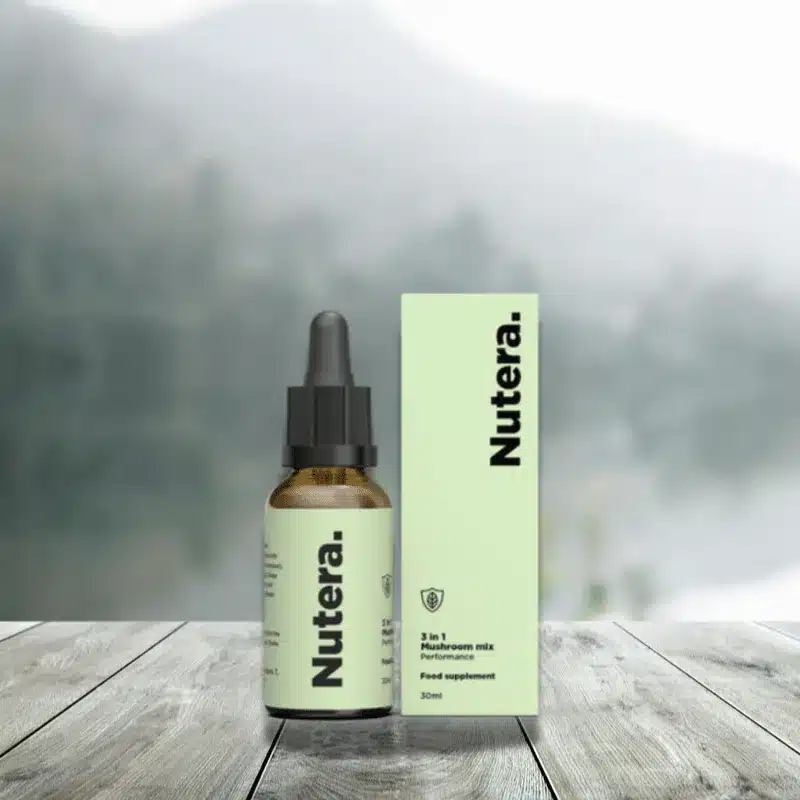
Clinical protocols have tested doses ranging from 1,050 to 3,000 mg per day, but this figure masks an important reality: the optimal dose depends entirely on the preparation. A raw powder and a 20:1 extract do not have the same potency per gram.
To help you find your way around, here is a simple protocol to follow:
- Locate the ratio indicated on the label and calculate its equivalent in raw powder if necessary.
- Start low : begin at the lower end of the range indicated by the manufacturer for one week.
- Split the dose into two times, in the morning and at the very beginning of the afternoon, to avoid any digestive discomfort and because the effect felt rarely lasts all day.
- Increase in increments of a few hundred milligrams if no adverse effects appear.
- Keep a simple journal noting sleep, perceived concentration, and digestion, week by week.
- Wait at least four weeks before concluding that there has been a failure, in accordance with the trial protocols recommended in recent literature.
Pro tip: Don't change three variables at once. If you're testing a lion's mane extract, keep the rest of your routine stable for the first four weeks, otherwise you'll never know if it's the mushroom that's working or something else.
How to identify a truly reliable lion's mane extract?
The ratio displayed on the packaging is no guarantee of anything on its own. The real question to ask is the actual concentration of active ingredients, and this can be verified through precise documentation, not marketing claims.
Before buying, check these points:
- Request the Certificate of Analysis (COA) : an independent laboratory must be able to confirm the percentage of polysaccharides and beta-glucans.
- Identify the part used : fruiting body or mycelium on grain. The concentration of hericenones and erinacins varies enormously depending on the culture substrate and the stage of fungal development, hence the importance of a numerical analysis rather than a simple promise.
- Opt for documented double extraction, with a clearly indicated ratio and its conversion to powder equivalent explained.
- Avoid vague statements like "pure extract" without specifying the percentage or method of analysis.
- Check for the absence of contaminants (heavy metals, mycotoxins), especially for products grown outside of controlled circuits.
An article detailing the difference between marketing claims and scientific evidence can help you separate fact from fiction before you buy.
Does the lion's mane haircut present any risks or side effects?
Reported side effects are generally mild. Digestive issues (bloating, discomfort) are the most common, often linked to a rapid dose increase. Allergic reactions do occur, but they are rare and mainly affect people already sensitive to mushrooms in general.
Some precautions to take:
- Consult a healthcare professional before starting if you are pregnant, breastfeeding, or undergoing regular medical treatment, including anticoagulants.
- Monitor for possible interactions with treatments affecting coagulation or the immune system.
- Stop taking the product as soon as an adverse effect appears and always favour products that have undergone independent laboratory analysis.
- Before attributing a lack of concentration to a mushroom deficiency, it is reasonable to rule out more common causes such as a vitamin B12 or vitamin D, which are often responsible for the same mental fog.
What field experience teaches us about these extracts
At Lord Of CBD, our selection of supplements made from organic hemp and adaptogenic mushrooms has taught us one simple thing: analytical transparency makes all the difference between an effective product and a disappointment. We work with producers chosen for their rigor, adhering to strict compliance standards—the same high standards that guide our range of flowers and resins, which always contain less than [amount missing in original text] 0,3 %.
This approach led to the development of a 20:1 liquid extract standardized for verifiable beta-glucans rather than vague claims. If you have any questions about the analysis of a specific batch, you can request the relevant documentation.
— Daniel
Try a concentrated extract at Lord Of CBD
If you are looking for a simple format to apply the dosage guidelines mentioned above, our Lion's Mane Liquid 20:1 – Focus & Memory displays 40% beta-glucans and allows for drop-by-drop adjustment, unlike fixed-dose capsules which require skipping entire steps.

Each batch is designed for clarity: you know exactly what you're taking, in what proportion, and you can gradually adjust your daily dose as recommended in the trial protocol. Regulatory compliance is part of our producer selection process, just as it is for our entire range of premium CBD products. If you'd like to compare this extract to other wellness formats, our CBD concentrate details the different extraction methods used in our selection. To start a supervised trial, consult the product sheet and contact our customer service if you require the batch analysis certificate for your current batch.
Sources
The studies and reviews cited in this article are from PubMed, PMC, and Examine.com. Keep in mind that these trials often involve small samples and short durations, which limits the scope of the conclusions.
This article provides general information and is not a substitute for professional medical advice. Consult a qualified healthcare professional about your specific situation before taking any action based on this content.
Frequently Asked Questions
What are the effects of lion's mane on the brain?
The active compounds would stimulate nerve growth factor in the laboratory, and some human trials report a modest improvement in cognitive scores in people with mild decline, as in the trial by Mori et al… In healthy adults, the effect remains less clear and sometimes absent.
What are the possible side effects of lion's mane?
Mild digestive problems are the most common, usually linked to an excessive initial dose. Allergic reactions are possible but rare, especially in people sensitive to mushrooms.
How much Lion's Mane per day?
The best approach is always to start low and adjust gradually.
Which mushroom is good for concentration?
Lion's mane mushroom is the most studied mushroom for its effects on concentration and memory, particularly due to its potential action on nerve growth factor. However, the evidence remains limited and is more convincing in individuals already experiencing mild cognitive decline than in healthy adults.