



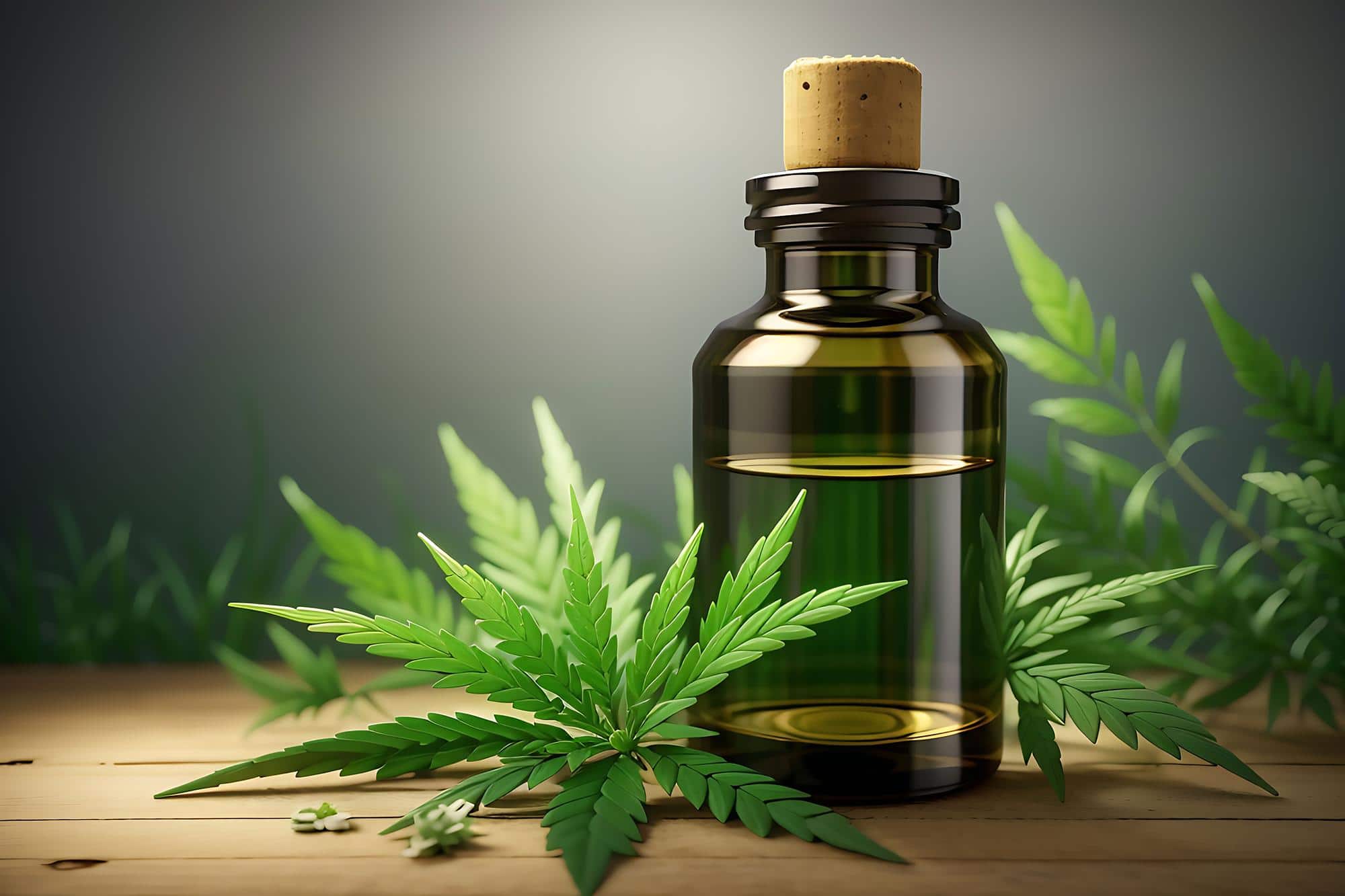
Everything you need to know about hash oil: extraction, benefits and uses
Hash oil, often called cannabis oil or cannabis oleoresin, is an oily substance extracted from hashish. Rich in essential fatty acids and active cannabinoids, this oil has recognized therapeutic, cosmetic, and energizing properties. It is used in various contexts, ranging from medical applications to recreational uses. This guide explores in depth the different facets of hash oil, its extraction methods, its potential benefits, and its many uses.
Hash oil extraction
Common extraction methods
Hashish oil can be extracted using several methods. Among the most common are:
- Solvent extraction: This method uses solvents such as isopropyl alcohol, butane, or CO2 to dissolve the resins contained in hashish. After the solvent evaporates, a pure oil is obtained.
- Pressure extraction: The hydraulic press technique exerts strong pressure to release the oil contained in the cannabis resin.
- Dry extraction: More natural, this method involves slightly heating the resin so that it decomposes into a lower viscosity oil.
Advantages and disadvantages of the different methods
Each extraction method has its own advantages and disadvantages:
- Solvent extraction: This allows for the production of a very pure oil but requires special precautions for handling potentially dangerous substances.
- Pressure extraction: Not requiring chemical solvents, it is safer but often expensive.
- Dry extraction: The simplest method but offers a lower yield.
The benefits of hash oil
Therapeutic benefits
Hash oil is widely used for its numerous therapeutic benefits. Its active components, such as THC and CBD, can help relieve various ailments:
- Pain management: It is frequently used to reduce chronic pain associated with conditions such as arthritis or multiple sclerosis.
- Anxiety and stress: Studies show that it could help reduce stress and anxiety thanks to its relaxing effects.
- Appetite and sleep: The THC present in hash oil is known to stimulate appetite and may also help improve sleep quality.
Cosmetic and energetic uses
Besides its medical applications, hashish oil is prized in the fields of cosmetics and energy:
- Cosmetics: Rich in essential fatty acids, it intensively nourishes and hydrates the skin, contributing to softer, more radiant skin.
- Energetic: Thanks to its high content of energetic cannabinoids, it is considered an alternative energy source.
How to use hash oil?
Oral consumption
Oral consumption remains one of the most common ways to use hash oil. It can be taken as drops under the tongue, added to food, or mixed with drinks to benefit from its relaxing and soothing properties.
Vaporization
Vaporizing is another popular method for consuming hash oil. Vaporizers heat the oil without burning it, allowing users to inhale the active compounds without the toxins produced by combustion. This method is particularly valued for its rapid effectiveness and ease of use.
Topical use
For those looking to take advantage of the moisturizing and anti-inflammatory properties of hash oil, topical application is an excellent option. Applying the oil directly to the skin can help treat skin conditions such as redness, acne, or excessive dryness.
Comparison with other cannabis oils
Hemp oil vs. hash oil
There is often confusion between hemp oil and hashish oil, although their compositions and uses differ greatly:
- Hemp oil : Extracted from hemp seeds, it contains negligible traces of THC and is mainly used for its nutrients and omega 3 and 6.
- Hash oil: Made from concentrated cannabis resins, it contains high levels of THC and CBD, and is primarily used for its psychoactive and therapeutic effects.
Other variations of cannabis oil
Other forms of cannabis oil includepure CBD oil, which is isolated to contain no THC, and Rick Simpson oil, a popular variant known for its purported anti-cancer effects. Each type of cannabis has its specific benefits, and the choice depends on the intended use and personal preferences.
Precautions and legal aspects
Legal regulations
The legal status of hash oil varies by region and country. In some areas, it is completely prohibited, while others allow it under strict medical conditions. Before using it, it is crucial to check local laws regarding cannabis and its derivatives.
Associated risks
Like all active substances, hash oil carries certain risks. Consuming high doses can cause undesirable side effects such as dizziness, overwhelming anxiety, or even temporary psychotic reactions. It is recommended to start with small doses and to seek advice from a healthcare professional.
Exploring these various aspects of hash oil offers a better understanding of its wide and varied applications. Whether for its therapeutic, cosmetic, or energetic benefits, it is a versatile substance that nonetheless requires caution and knowledge of current regulations.