



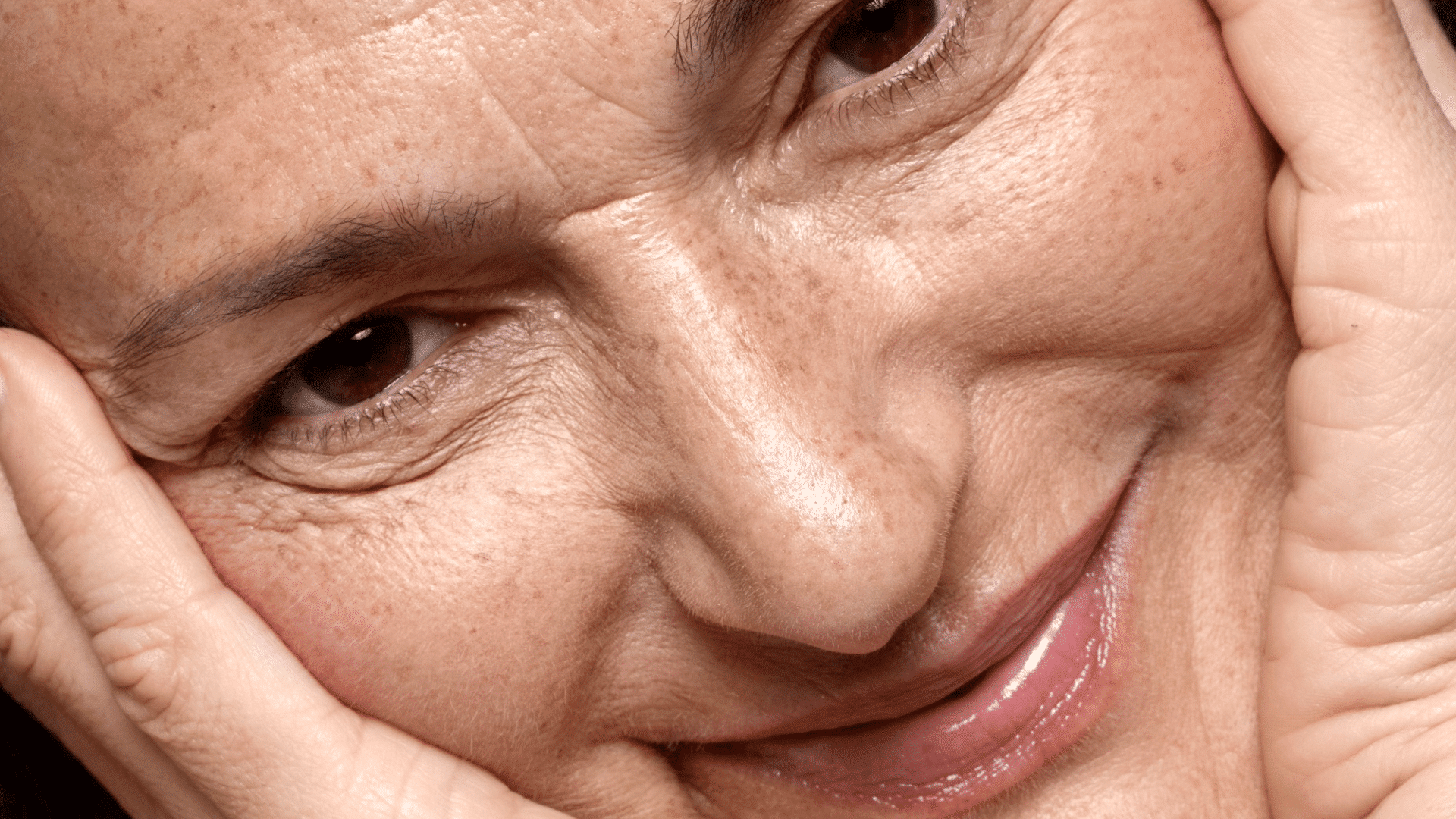
Is CBD an effective anti-wrinkle treatment?
Wrinkles are an integral part of the skin's natural aging process. However, many people seek solutions to minimize their appearance and maintain youthful-looking skin. Cannabidiol ( CBD), a substance derived from cannabis, has garnered increasing interest for its skincare applications, particularly in combating wrinkles.

-
Antioxidant properties of CBD
Antioxidants play a crucial role in combating damage caused by free radicals, which can accelerate skin aging and the appearance of wrinkles. CBD possesses antioxidant properties that help protect the skin from environmental damage and reduce signs of aging.
-
Anti-inflammatory effect
CBD is also known for its anti-inflammatory properties, which can help reduce inflammation and redness associated with skin aging. By soothing inflammation, CBD can improve the overall appearance of the skin and diminish the appearance of wrinkles.
-
Hydration and regulation of sebum production
CBD may contribute to skin hydration by regulating sebum production, which is responsible for lubricating and moisturizing the skin. Well-hydrated skin is less likely to show signs of aging, such as wrinkles and fine lines.
-
Stimulation of collagen production
Collagen is an essential protein for maintaining skin firmness and elasticity. CBD may help stimulate collagen production, which can slow the appearance of wrinkles and help maintain youthful-looking skin.
-
CBD application
There are several ways to incorporate CBD into your skincare routine to combat wrinkles. Topical CBD products, such as creams, serums, and oils, can be applied directly to the skin to benefit from its anti-wrinkle effects. CBD can also be taken orally in capsule or oil form to support overall skin health from within.
In conclusion, CBD shows considerable potential as an anti-aging ingredient to combat wrinkles. Thanks to its antioxidant, anti-inflammatory, and collagen-boosting properties, CBD can help improve skin appearance and maintain a youthful look. However, it is important to consult a healthcare professional before incorporating CBD into your skincare routine, especially if you are taking medication or have any underlying health conditions.
To learn more:
CBD to combat sun damage to the skin.
CBD against the effects of the sun on the skin
Sun exposure can have detrimental effects on the skin, including premature aging, free radical damage, and even skin cancer. Cannabidiol (CBD) is a natural substance that shows promise in protecting the skin from the sun's harmful effects. In this article, we'll explore how CBD can help protect skin from sun damage.
-
Antioxidant properties of CBD
The sun's ultraviolet (UV) rays generate free radicals, which are unstable molecules that can damage cells and accelerate the skin's aging process. Antioxidants neutralize these free radicals, thus protecting the skin from oxidative damage. CBD possesses powerful antioxidant properties, enabling it to protect the skin against damage caused by UV-induced free radicals.
-
Anti-inflammatory effect
Exposure to UV rays can also cause skin inflammation and redness. CBD is known for its anti-inflammatory properties, which can help soothe skin inflammation caused by sun exposure. By reducing inflammation, CBD may also prevent long-term damage associated with chronic sun exposure.
-
Protection against cell damage
UV rays can cause direct damage to the DNA of skin cells, thus increasing the risk of skin cancer. Preliminary studies suggest that CBD may help protect cells from this damage by interacting with receptors of the endocannabinoid system (ECS) present in the skin. However, further research is needed to confirm these findings and determine the exact mechanism by which CBD protects skin cells.
-
Application of CBD for sun protection
While CBD offers some interesting properties for protecting skin against the harmful effects of the sun, it's important to note that it should not replace traditional sun protection measures, such as using broad-spectrum sunscreen. CBD can be used in conjunction with sunscreens to enhance skin protection.
Topical CBD products, such as lotions, creams, and balms, can be applied to the skin before and after sun exposure to help soothe and protect it. CBD can also be taken orally in capsule or oil form to support skin health from within.
In conclusion, CBD offers promising potential for protecting the skin against the harmful effects of the sun thanks to its antioxidant, anti-inflammatory, and potentially cell-protective properties. However, it is important to remember that CBD should not be considered a substitute for traditional sun protection measures, such as using broad-spectrum sunscreens, wearing protective clothing, and limiting sun exposure to off-peak hours.
Using CBD in addition to your usual sun protection practices may offer additional benefits for skin health and preventing sun damage. As always, it's advisable to consult a healthcare professional before incorporating CBD into your skincare routine, especially if you are taking medication or have any underlying health conditions.
As research into the benefits of CBD for the skin continues to advance, it is likely that new products and applications will be developed to maximize its protective and restorative properties. In the meantime, CBD can be a valuable addition to your skincare routine to prevent and mitigate the effects of the sun.