



A cannabinoid is a chemical compound capable of binding to the endocannabinoid system, present in the human body, in certain plants, and produced by chemical synthesis. Cannabis (Cannabis sativa) contains more than 113 phytocannabinoids identified to date, two of which dominate public debate: THC (tetrahydrocannabinol), psychoactive and considered a narcotic in France, and CBD (cannabidiol), non-psychoactive and legal under strict conditions. The difference between the two is not simply a matter of "strength": THC binds directly to CB1 receptors in the brain and causes cognitive impairment, while CBD acts indirectly, without producing this effect. In France, the legal status of each molecule depends on decisions made by theANSM for Medicines and Health Products Safety), which are regularly updated: checking a product's compliance before purchase is not a minor precaution, it is essential.
This article provides general information and is not medical or legal advice. Consult a healthcare professional or the relevant authorities regarding your specific situation.
Table of Contents
- Where do cannabinoids come from and how many are known?
- What are the three main families of cannabinoids?
- How they act on the body: CB1 and CB2 receptors
- What are the profiles of the main cannabinoids?
- What are the health effects and therapeutic uses?
- Why are synthetic cannabinoids so dangerous?
- What forms of products and what modes of consumption?
- What is the legal status of cannabinoids in France?
- The entourage effect: myth or reality?
- Key points
- What French regulations reveal about market maturity
- Lord Of CBD: Compliant and traceable CBD products
- Useful sources and resources
Where do cannabinoids come from and how many are known?
Phytocannabinoids are formed in the trichomes of cannabis flowers and leaves, those small resinous glands visible to the naked eye on mature buds. Their role in the plant is primarily defensive: they repel insects and protect against UV radiation and pathogens. Their interaction with our biology is only secondary.
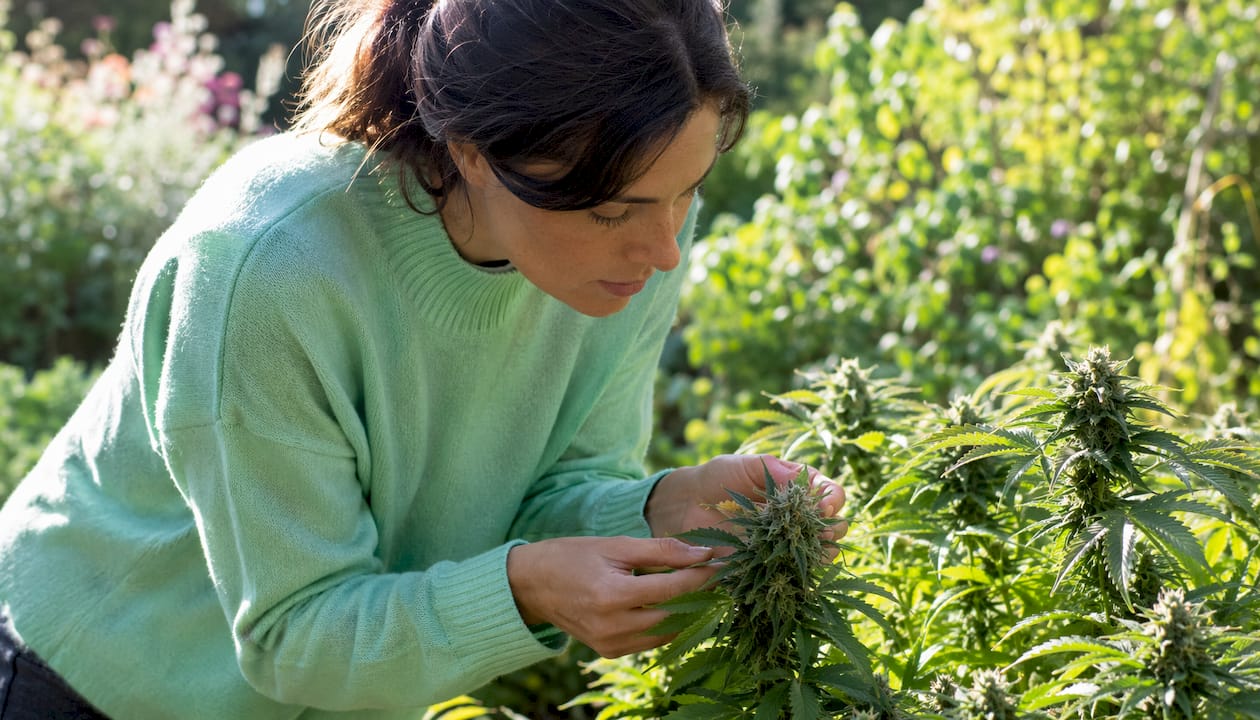
Cannabis contains at least 113 distinct phytocannabinoids, in addition to more than 120 terpenes and 21 flavonoids, each with its own pharmacological properties. This explains why two cannabis varieties can produce very different effects even with the same THC level: the overall composition is just as important as the main molecule.
The human body also produces its own cannabinoids, called endocannabinoids. The two main ones are anandamide and 2-arachidonoylglycerol (2-AG). They function as internal neurotransmitters, regulating pain, mood, appetite, and sleep by binding to the same receptors as phytocannabinoids. Anandamide, whose name comes from the Sanskrit word ananda (“bliss”), was first isolated in 1992 by the team of Raphael Mechoulam, the same researcher who isolated THC in 1964.
What are the three main families of cannabinoids?
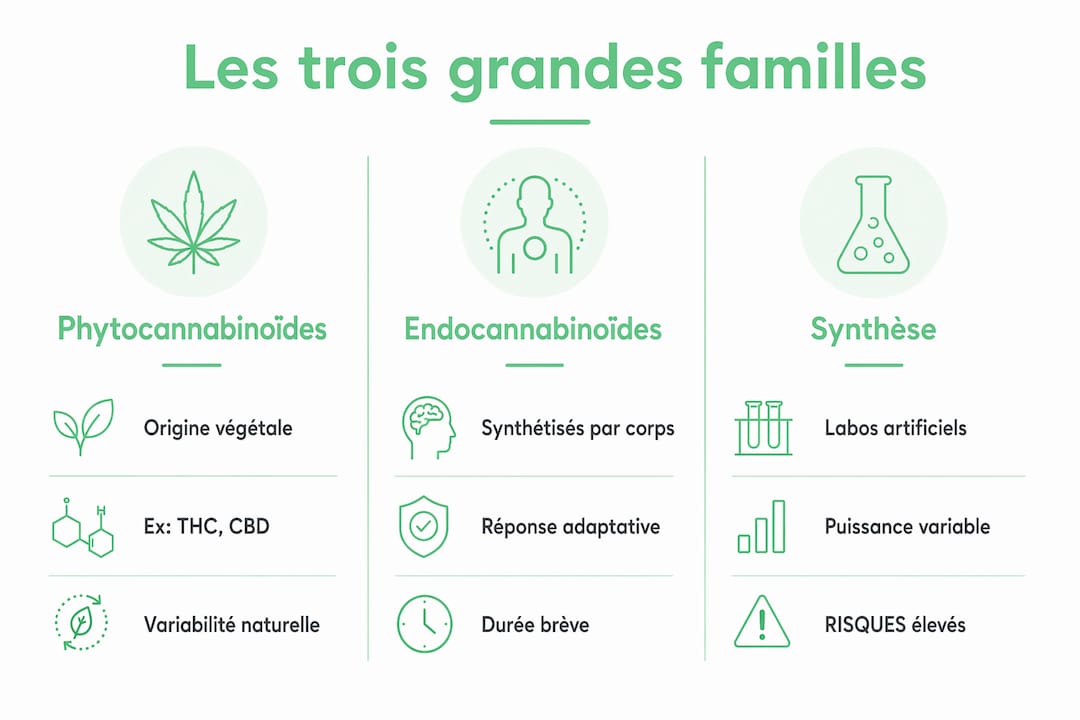
The distinction between families is not just academic: it determines the risk profile, the legality and how a product acts on the body.
Phytocannabinoids : derived from the plant, they are produced naturally and their composition varies depending on the variety, cultivation, and harvest. THC and CBD are the best-known examples, but CBG, CBN, and CBC also belong to this family.
Endocannabinoids : synthesized by the body on demand, they do not accumulate like phytocannabinoids and are rapidly broken down after use. Anandamide and 2-AG are the two reference molecules.
Synthetic cannabinoids : manufactured in a laboratory, they can mimic or surpass the action of THC on CB1 receptors. Some, like JWH-018 or HU-210, have a potency far exceeding that of natural THC, making them particularly dangerous. They often circulate under misleading trade names ("aromatic herbs," "spice") and are classified as narcotics in France.
| Family | Example | Main characteristic |
|---|---|---|
| Phytocannabinoid | THC, CBD, CBG | Plant origin, composition varies depending on the plant |
| Endocannabinoid | Anandamide, 2-AG | Produced by the body, rapidly degraded |
| Synthetic cannabinoid | JWH-018, HU-210, CP 47,497 | Chemically manufactured, often very high potency, major toxic risk |
Pro tip: If you're looking for a CBD product, make sure it comes from an extract of industrial hemp (a natural phytocannabinoid) and not from chemical synthesis. The label "natural CBD" isn't enough: demand a Certificate of Analysis (COA) from an independent laboratory. To understand the differences between natural and synthetic CBD, consult the dedicated guide.
How they act on the body: CB1 and CB2 receptors
The endocannabinoid system (ECS) is a network of receptors, enzymes, and signaling molecules present throughout the body. Two main receptors structure it.
CB1 receptors are concentrated in the central nervous system: prefrontal cortex, hippocampus, amygdala, cerebellum, and basal ganglia. Their activation modulates memory, motor coordination, appetite, pain perception, and emotions. It is on these receptors that THC acts as a direct agonist, producing the characteristic euphoria and cognitive alterations.
CB2 receptors are found primarily on immune cells, the spleen, and peripheral tissues. Their stimulation modulates inflammation and the immune response, without a direct psychoactive effect. CBD, on the other hand, modulates the system indirectly: it is not a potent agonist of CB1 or CB2, but it inhibits the degradation of anandamide and interacts with other targets such as TRPV1 and 5-HT1A receptors.
CB1 and CB2 receptors are G protein-coupled receptors. Their activation alters the concentration of intracellular second messengers (cAMP), which regulates the release of neurotransmitters such as glutamate, GABA, and dopamine. This mechanism explains the diversity of effects observed depending on the brain or tissue area involved.
Pro tip: The endocannabinoid system and stress are closely linked. Chronic activation of CB1 receptors by THC can paradoxically desensitize the system and worsen anxiety in the long term, a phenomenon that is often underestimated.
What are the profiles of the main cannabinoids?
Each molecule has a distinct pharmacological behavior. Here are the profiles of the six most studied.

THC (tetrahydrocannabinol) : a direct CB1 agonist, it produces euphoria, analgesia, appetite stimulation, and impaired short-term memory. At high doses or with prolonged use, it can induce addiction, anxiety, and, in predisposed individuals, psychotic episodes. Classified as a narcotic in France.
CBD (cannabidiol) : non-psychoactive, it is being studied for its anxiolytic, anti-inflammatory, and anti-epileptic properties. Its mechanism involves the indirect modulation of the endocannabinoid system (ECS) and interaction with serotonergic receptors. Legal in France under certain conditions (THC < 0.3%). The mechanisms underlying the calming effects of CBD are well-documented
CBG (cannabigerol) : the biosynthetic precursor of most other cannabinoids via cannabigerolic acid (CBGA). Often described as a stimulant and tonic, it is present in small amounts in mature varieties. Its role as a precursor makes it a key molecule for understanding cannabinoid biosynthesis; CBGA warrants a separate discussion if you are interested in this topic.
CBN (cannabinol) : a breakdown product of THC under the influence of heat and oxidation. Weakly psychoactive, it is primarily associated with mild sedative effects, which explains its interest in CBD and sleep. Its concentration increases in aging flowers.
CBC (cannabichromene) : non-psychoactive, it is being studied for its potential role in modulating pain and inflammation, particularly in synergy with CBD and THC. Clinical data remain limited, but preclinical studies are encouraging.
The distinction between psychoactivity and therapeutic use is not binary. THC can have documented therapeutic effects (neuropathic pain, spasticity), and CBD can act on the brain without impairing cognition. What differs is the mechanism of action and the therapeutic window, not a simplistic opposition between "good" and "bad" cannabinoids.
| Molecule | Psychoactive | Main desired effects | Status in France |
|---|---|---|---|
| THC | Yes | Analgesia, antiemetic, appetite | Narcotic (for controlled medical use) |
| CBD | No | Anxiolytic, anti-inflammatory, antiepileptic | Legal (THC < 0.3%) |
| CBG | No | Tonic, anti-inflammatory | Legal (under certain conditions) |
| CBN | Weakly | Light sedation, sleep | Legal (under certain conditions) |
| CBC | No | Pain/inflammation modulation | Legal (under certain conditions) |
Pro tip: CBD inhibits certain cytochrome P450 enzymes, including CYP3A4 and CYP2C19, which metabolize many common medications (anticoagulants, antiepileptics, immunosuppressants). If you are taking regular medication, consult your doctor before introducing any CBD product, even a legal one.
What are the health effects and therapeutic uses?
The strongest clinical evidence relates to three indications: spasticity associated with multiple sclerosis, nausea and vomiting induced by chemotherapy, and certain forms of treatment-resistant epilepsy in children. In France, access to cannabinoid-based medications remains subject to medical prescription and specific authorization procedures.
The most common side effects with THC include:
- Dry mouth and tachycardia
- Drowsiness or, conversely, anxiety and paranoia, depending on the dose
- Impairment of short-term memory and concentration
- Risk of addiction with prolonged and regular use
- Cannabis hyperemetic syndrome (severe cyclic vomiting) in cases of chronic intensive use
CBD is generally better tolerated, but side effects do exist: diarrhea, fatigue, changes in appetite, and drug interactions via CYP enzymes. The therapeutic benefits of CBD are real for certain conditions, but they do not replace medical supervision.
Prescribed medical use and self-medication with wellness products are two very different things. A cannabinoid medication is dosed, monitored, and prescribed for a specific condition. A CBD product sold in stores falls under the category of general wellness: it cannot claim to treat a disease, and its effectiveness for specific uses often remains to be confirmed by robust clinical studies.
Populations at particular risk include pregnant women (due to documented placental transfer of THC), individuals with a history of psychiatric illness (risk of decompensation), and adolescents whose brains are still developing. For chronic anxiety, the available data on CBD as a support are promising, but do not replace therapeutic support.
Why are synthetic cannabinoids so dangerous?
Synthetic cannabinoids like JWH-018, HU-210, and CP 47,497 are not simply "copies" of THC. They bind to CB1 receptors with a significantly higher affinity, often without the natural regulatory mechanisms present in the plant. HU-210 exhibits much higher potency than THC in animal models.
Synthetic cannabinoids cause severe acute clinical symptoms: agitation, intense anxiety, seizures, cardiac arrhythmias, and even coma. Their variable chemical structure makes conventional immunochemical tests insufficient for their detection. Toxicology centers recommend HPLC-MS/MS and the use of the SINTES/OFDT device for precise identification.
These substances often circulate in attractive packaging and under generic names. Their actual composition is rarely indicated, and it can vary from batch to batch. TheEUDA (European Monitoring Centre for Drugs and Drug Addiction) regularly identifies new products appearing on the market to circumvent existing prohibitions.
Pro tip: If you suspect poisoning from a synthetic cannabinoid, call 15 (SAMU - French emergency medical services) or 3114 (the national suicide prevention hotline if you are experiencing associated psychological distress). Your local poison control center can also refer healthcare professionals for appropriate toxicological testing. Do not attempt to manage suspected poisoning on your own.
HHCcannabinoidthat circulated in France, illustrates this dynamic well: classified as a narcotic by the ANSM, it was marketed for a period in a legal vacuum, before regulations caught up with it.
Pro tip: Never trust a product sold as "legal" or "natural" without a certificate of analysis. The legality of a substance can change overnight in France, and "natural" does not mean "risk-free."
What forms of products and what modes of consumption?
The form of a cannabinoid product directly determines the speed at which effects appear, their duration, and the associated risks.
| Shape | Action deadline | Duration of effects | Specific risks |
|---|---|---|---|
| Flower (inhalation) | 2 minutes | 1–3 hours | Respiratory irritation, combustion |
| Sublingual oil | 15 minutes | 4 hours | Dosage varies depending on absorption |
| Edibles | 30–120 minutes | 4 hours | Frequent overdose (delayed effect) |
| Resin (inhalation) | 2 minutes | 1–3 hours | Possible contaminants, residual solvents |
| Topical products (cream, balm) | Variable | Local | Low systemic absorption |
| Vaping (e-liquid) | 2 minutes | 1–3 hours | Additives, solvents, variable quality |
Edibles deserve special attention: their delayed effect (up to two hours) often leads to repeated consumption before the first dose has taken effect, resulting in unintentional overdoses. CBD resins and concentrates may contain residual solvents if the extraction process is not carried out properly; extraction methods are generally considered the cleanest.
Pro tip: Always apply the "start low, go low" principle: begin with the minimum recommended dose, wait at least two hours before consuming again (especially for edibles), and gradually increase the dose if needed. This principle applies to legal CBD as well as any other cannabinoid product.
What is the legal status of cannabinoids in France?
French regulations distinguish several regimes depending on the molecule and form of the product.
CBD has enjoyed a special status since the decree of December 30, 2021: the sale of hemp flowers and leaves is authorized for varieties with a THC content not exceeding 0.3% in the entire plant. The MILDECA ( Interministerial Mission for the Fight against Drugs and Addictive Behaviors) specifies that CBD is not addictive like THC, but that its products remain subject to strict regulatory requirements, particularly under the European Novel Food Regulation for ingested extracts.
In May 2024, the ANSM (French National Agency for Medicines and Health Products Safety) added new families of cannabinoids (with a benzo[c]chromene nucleus) to the list of narcotics, while providing exemptions for certain traces naturally present in industrial hemp (CBNA, THCV, THCA under certain conditions). This decision notably concerns molecules such as HHC and THCP, which had been circulating in a legal vacuum.
| Regulatory reference | Value | Frame |
|---|---|---|
| THC threshold in the plant (industrial hemp) | 0,3 % | French decree |
| THC equivalent limit in food seeds | — | EU Regulation |
| THC equivalent limit in seed oil | — | EU Regulation |
| EFSA acute reference dose (THC) | 1 µg/kg of body weight | EFSA Opinion |
To buy a compliant product, here are the essential checks:
- THC level declared below 0.3% and confirmed by a recent Certificate of Analysis (COA)
- Traceable origin: authorized industrial hemp variety, identifiable producer
- Absence of molecules listed by the ANSM (HHC, THCP, HHCP, etc.)
- Independent and accredited analysis laboratory mentioned on the COA
- For food extracts: Novel Food compliance and absence of residual solvents
Pro tip: Regulations change quickly. Before making any purchase, consult the list of classified substances on the ANSM website and, if in doubt about a product or substance, contact Drogues-Info-Service on 0 800 23 13 13 (free, anonymous number).
The difference between CBD and hemp is a point that many consumers are still unaware of: not all hemp products contain the same concentrations of cannabinoids, and the "hemp" label guarantees nothing about the actual CBD or THC content.
The entourage effect: myth or reality?
The entourage effect refers to the synergy between cannabinoids, terpenes, and flavonoids present in the plant: the whole is thought to act differently than each molecule taken in isolation. The concept was formalized by Raphael Mechoulam, who isolated THC in 1964 and devoted a large part of his career to understanding how the components of cannabis interact with each other.
The available evidence remains largely preclinical, but recent reviews support the idea that full-spectrum extracts can produce different effects than pure isolates, particularly for certain indications such as anxiety or pain. The strongest hypothesis is that certain terpenes (linalool, myrcene, beta-caryophyllene) modulate the activity of cannabinoid receptors or other pharmacological targets.
The entourage effect, introduced by Mechoulam, remains a useful framework for understanding why full-spectrum extracts can behave differently from isolates in wellness or medical use. However, it doesn't justify just any formulation: a full-spectrum extract contains THC, which poses real regulatory constraints in France.
CBD isolates remain useful: they allow for precise dose control, the complete absence of THC (useful for individuals subject to drug tests or who are particularly sensitive), and a stable composition from batch to batch. The choice between full spectrum, broad spectrum (THC removed), and isolate depends on the intended use, tolerance profile, and applicable legal framework.
Pro tip: For everyday wellness use in France, a broad-spectrum extract offers a reasonable compromise: it contains terpenes and minor cannabinoids for a partial entourage effect, without detectable THC. Always check the Certificate of Analysis (COA) to confirm the absence of residual THC.
Key points
Cannabinoids are chemical compounds with very different profiles: knowing their origin, their mechanism of action and their legal status in France is the basis for informed and safe consumption.
| Point | Details |
|---|---|
| Three distinct families | Phytocannabinoids (plant), endocannabinoids (organism), synthetic (laboratory): each family has a different risk profile. |
| THC vs CBD | THC is a direct agonist of CB1 and psychoactive; CBD acts indirectly, without cognitive impairment, and is legal in France under certain conditions. |
| Synthetic cannabinoids | Much more powerful than natural THC, they cause severe intoxication and are classified as narcotics; conventional tests do not detect them. |
| Purchase checks | Require a COA from an independent laboratory, verify the THC level (< 0.3%) and the absence of molecules listed by the ANSM. |
| Lord Of CBD | Offers CBD products derived from organic hemp, with THC < 0.3% and certificates of analysis available for each product. |
What French regulations reveal about market maturity
The rate at which the ANSM (French National Agency for Medicines and Health Products Safety) reclassifies entire families of cannabinoids reveals something important about the state of the market: it's evolving faster than the regulations meant to govern it. In 2024, molecules like HHC were still being sold legally in French shops just weeks before being classified as narcotics. This isn't an exceptional malfunction; it's the normal functioning of a sector where synthetic chemistry moves faster than the law.
What this means in practical terms for the consumer is this: the legality of a product at the time of purchase does not guarantee that it will still be legal in six months, nor that it was safe when it was authorized. Regulatory compliance is a necessary, but not sufficient, condition.
The other underestimated aspect concerns the entourage effect. Many brands use it as a marketing argument without always distinguishing between what is supported by serious preclinical data and what is simply storytelling. The reality is more nuanced: the evidence exists, it is promising, but it does not justify all formulations sold under the "full spectrum" label. A full-spectrum product containing traces of THC above regulatory thresholds is not a premium product; it is a non-compliant product.
The most important takeaway, in my opinion, is this: in such a volatile market, traceability and analytical transparency aren't selling points, they're prerequisites. A producer who doesn't publish their Certificates of Analysis (COAs) or can't identify their hemp variety at the source doesn't deserve your trust, regardless of the quality of their packaging.
Lord Of CBD: Compliant and traceable CBD products
Finding a legal CBD product in France is one thing. Finding a product whose compliance is verifiable for each batch is another. Lord Of CBD selects organic hemp producers whose extracts are systematically analyzed by independent laboratories, with a THC level maintained below 0.3% across the entire range.
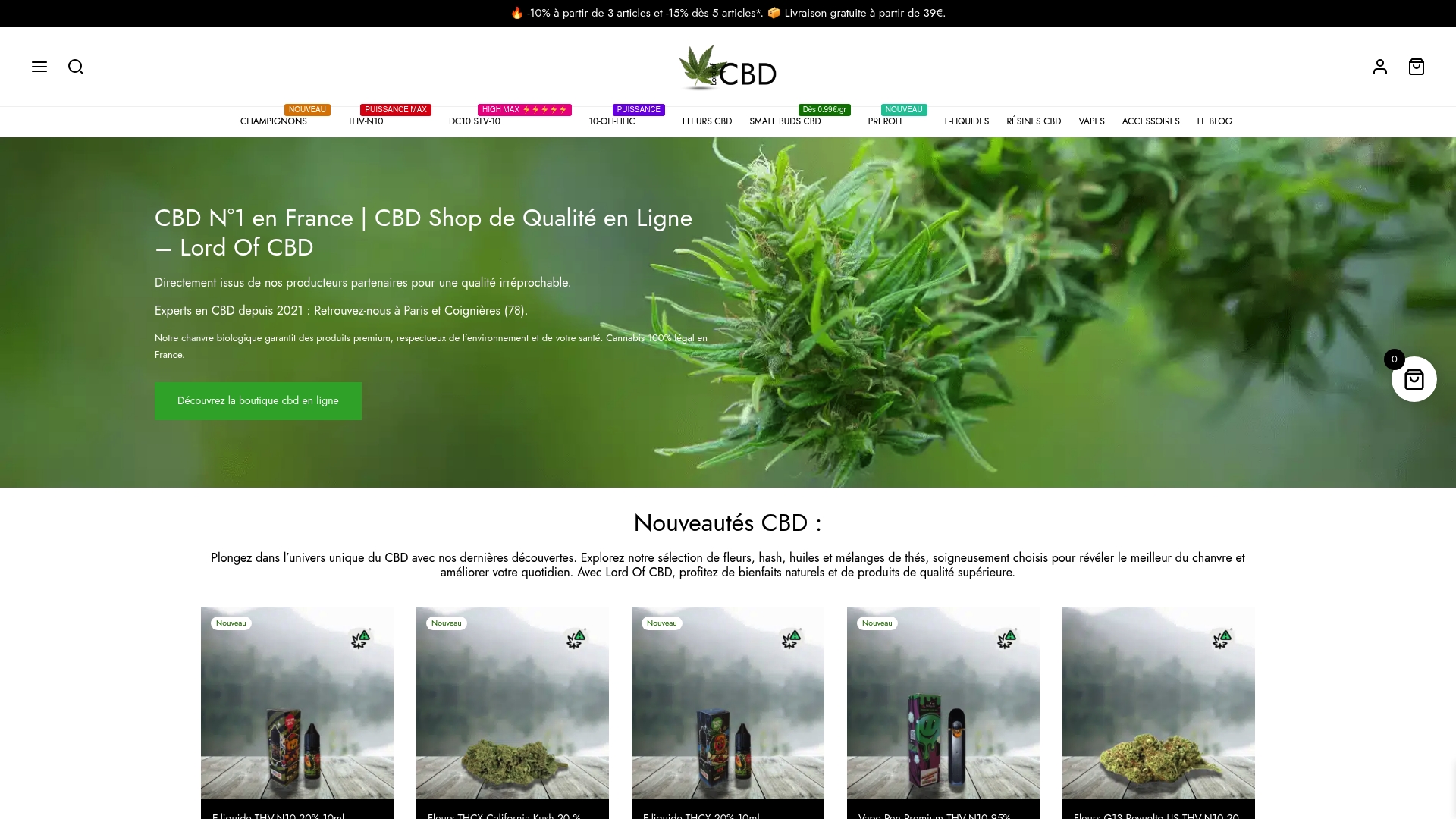
Flowers, resins, oils, e-liquids: each product comes with an accessible Certificate of Analysis (COA), allowing you to verify the composition yourself before purchase. For those seeking a clear starting point, the CBD cannabidiol vs. hemp page explains precisely what you are and aren't buying. If you prefer to explore different formats in one order, the CBD box lets you try various products without obligation. Browse the range at lordofcbd.fr to find the product that suits your needs.
Useful sources and resources
The information in this article is based on institutional and scientific sources. For verification or regulatory updates, please consult the following references first.
French and European institutional sources:
- ANSM: Cannabinoid classification decisions, regulatory updates
- MILDECA / Drogues.gouv.fr: information for the general public on CBD, legal status, risks
- EUDA (European Monitoring Centre for Drugs and Drug Addiction): Fact sheets on synthetic cannabinoids
- INSPQ: Clinical toxicology of synthetic cannabinoids
- Drugs-Info-Service: 0 800 23 13 13 (free, anonymous, 7 days a week)
- Poison Control Center: 01 40 05 48 48 (Paris) or regional number depending on your department
Scientific reference resources:
- Gaoni Y. & Mechoulam R. (1964): isolation of Δ9-THC, Weizmann Institute of Sciences
- Lecturio: Cannabinoid — Effects and Indications: Review of Mechanisms and Medical Indications
- phenoDB: Cannabinoids guide: entourage effect and formulations
In case of emergency or suspected poisoning:
- Call 15 (SAMU) for any medical emergency
- Contact your local poison control center for toxicological guidance
- Report any suspicious products via the SINTES/OFDT system to contribute to national surveillance
Recommendation
- CBD: Legislation in France and the European Union – Lord Of CBD
- H4-CBD and H2-CBD Banned in France: Two Cannabis Derivatives Classified as Narcotics – Lord Of CBD
- CBD in France: A Guide to Legality and Use (Updated 2024) – Lord Of CBD
- H4CBD, THCP, HHCPO Soon to be Banned in France by the ANSM? – Lord Of CBD