



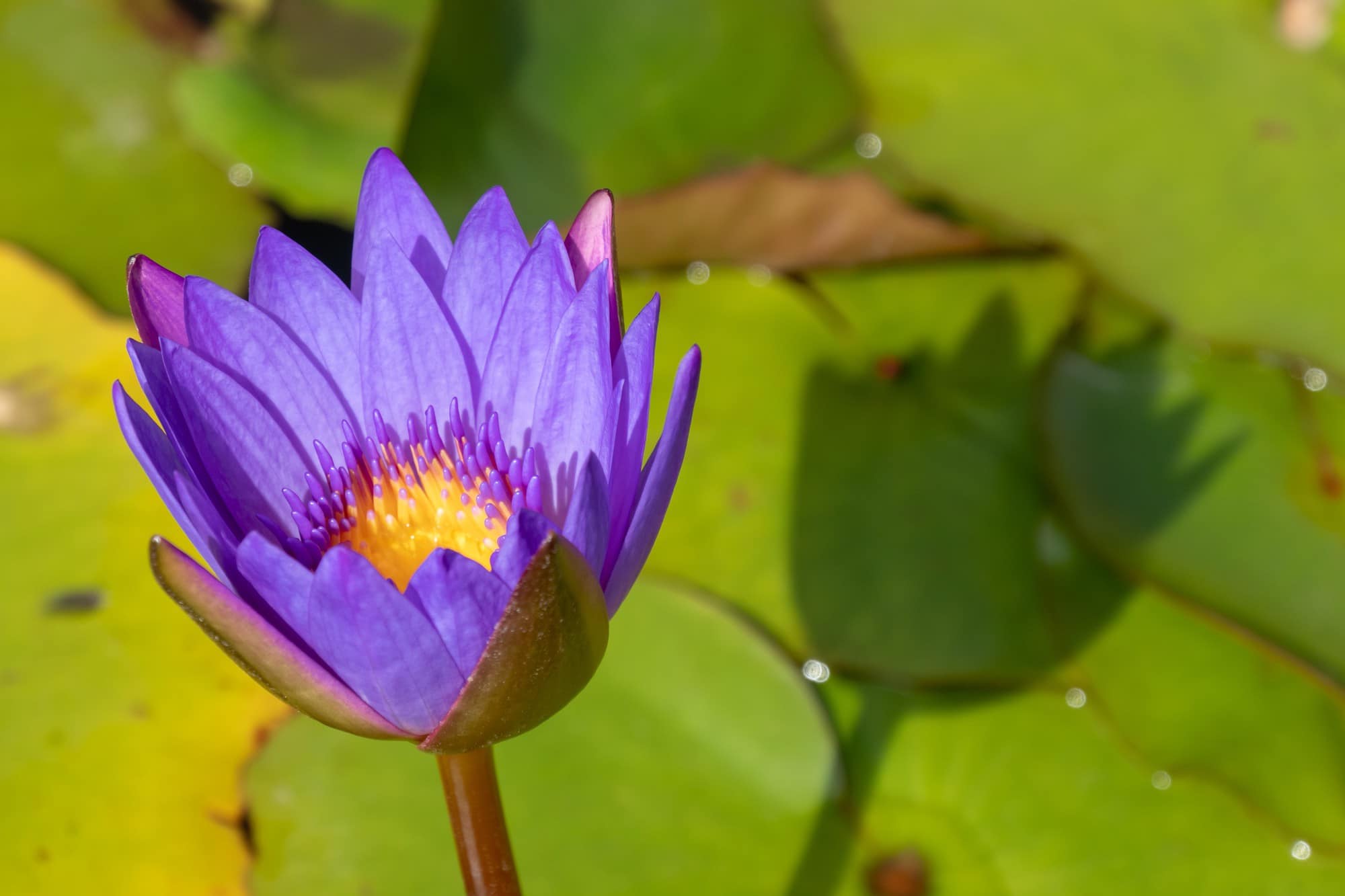
The Blue Lotus: The Mystical Plant of the Ancient Egyptians That Still Fascinates Today
What is the Blue Lotus?
The blue lotus (scientific name: Nymphaea caerulea) is a rare and fascinating aquatic plant native to the shallow, muddy waters of the Nile River in Egypt. Also known as the blue water lily, the flower of intuition, or the sacred lily of the Nile, the blue lotus was revered by the ancient Egyptians for its beauty, medicinal properties, and unique psychoactive effects.
In ancient Egypt, the blue lotus played a central role in religious rituals and spiritual ceremonies. Considered a sacred plant, it symbolized rebirth, fertility , and divine connection. Its deep blue petals and captivating aromas made it a prized plant, valued for both spiritual and therapeutic uses.
Spiritual Effects of the Blue Lotus: Heritage of Ancient Egypt
The ancient Egyptians associated the blue lotus with mystical experiences. Its fragrance and consumption were believed to induce states of ecstasy, promote meditation, and open a portal to the afterlife. Frequently used at funerals, the blue lotus accompanied the deceased on their spiritual journey, facilitating spiritual rebirth and connection with the divine.
This plant was also prized for its therapeutic properties. Egyptian physicians used it as a remedy for insomnia,pain, and even to detoxify the body. Extracts of blue lotus were often included in medicinal elixirs and were used to calm the mind and body.
A symbol of fertility and sexual vitality, the blue lotus is omnipresent in Egyptian frescoes depicting scenes of love and pleasure. Mixed with wine, it was used at elite banquets to stimulate the senses and awaken sensuality.
Traces of blue lotus were even discovered in Tutankhamun's tomb, attesting to its importance in Egyptian culture. It is also mentioned in the Book of the Dead, a major sacred text of this civilization.
The Benefits and Effects of the Blue Lotus
The blue lotus is renowned for its relaxing, meditative, and aphrodisiac effects. Here are the main benefits associated with this plant:
Natural Relaxant
Blue lotus acts as a natural sedative, providing a feeling of well-being and promoting relaxation. Thanks to its euphoric properties, it can help reduce stress, improve sleep quality, and promote faster sleep onset. Deep sleep phases are also said to be prolonged.
Meditation Aid
Many consumers report that blue lotus enhances their meditation experience by facilitating access to deeper states of consciousness. Some even mention lucid dreams, where they can influence and control their dreams. This ability to "open the third eye" makes blue lotus a prized herb for spiritual growth.
Powerful Aphrodisiac
Traditionally used to increase libido and deepen intimacy, blue lotus promotes a more intense emotional and physical connection between partners. Its relaxing effects help reduce inhibitions, creating an environment conducive to closeness.
Antioxidant Properties
Blue lotus is rich in antioxidants such as flavonoids, quercetin, and kaempferol. These compounds help neutralize free radicals, thus reducing the risk of oxidative stress, a key factor in chronic diseases such as heart disease, diabetes, and certain cancers.
Psychoactive Effects
The two main compounds of the blue lotus are:
- Apomorphine : a dopamine agonist that produces feelings of euphoria and potentially improves muscle control, useful for conditions such as Parkinson's disease.
- Nuciferine : an alkaloid with calming and antipsychotic properties. It is also linked to an improvement in erectile dysfunction and potential aid in weight loss.
Precautions and Side Effects
Although generally considered safe, blue lotus can cause side effects in some people, including:
- Dizziness
- Dry mouth
- Nausea
- Drowsiness
- Confusion
It is therefore recommended to consult a healthcare professional before any use.
Methods of Use: Infusions, Dried Flowers and Extracts
Due to strict regulations, the blue lotus is not recognized as a food or food supplement in the European Union. It is sold solely for collector purposes , but its available forms remain varied:
- Dried flowers : Ideal for botany enthusiasts or collectors, they retain their unique visual brilliance.
- Infusion blends : Although not approved for consumption, these blends are appreciated for their subtle aromas.
- Prerolls : Dried blue lotus flowers are sometimes presented in the form of rolls, similar to cigarettes.
- Essential oils and extracts : Offering an enchanting olfactory experience, these products enrich the collections with their exotic fragrance.
The Blue Lotus Today
The blue lotus continues to fascinate as much as it captivated the ancient Egyptians. Its rich history and unique properties make it a timeless symbol of spirituality, renewal , and well-being. Although it is not permitted for medicinal or recreational purposes in Europe, it remains an object of interest for collectors and history enthusiasts.
For those interested in similar plants, the effects of blue lotus are reminiscent of those of CBD or kratom, two other products popular for their relaxing and therapeutic benefits.