



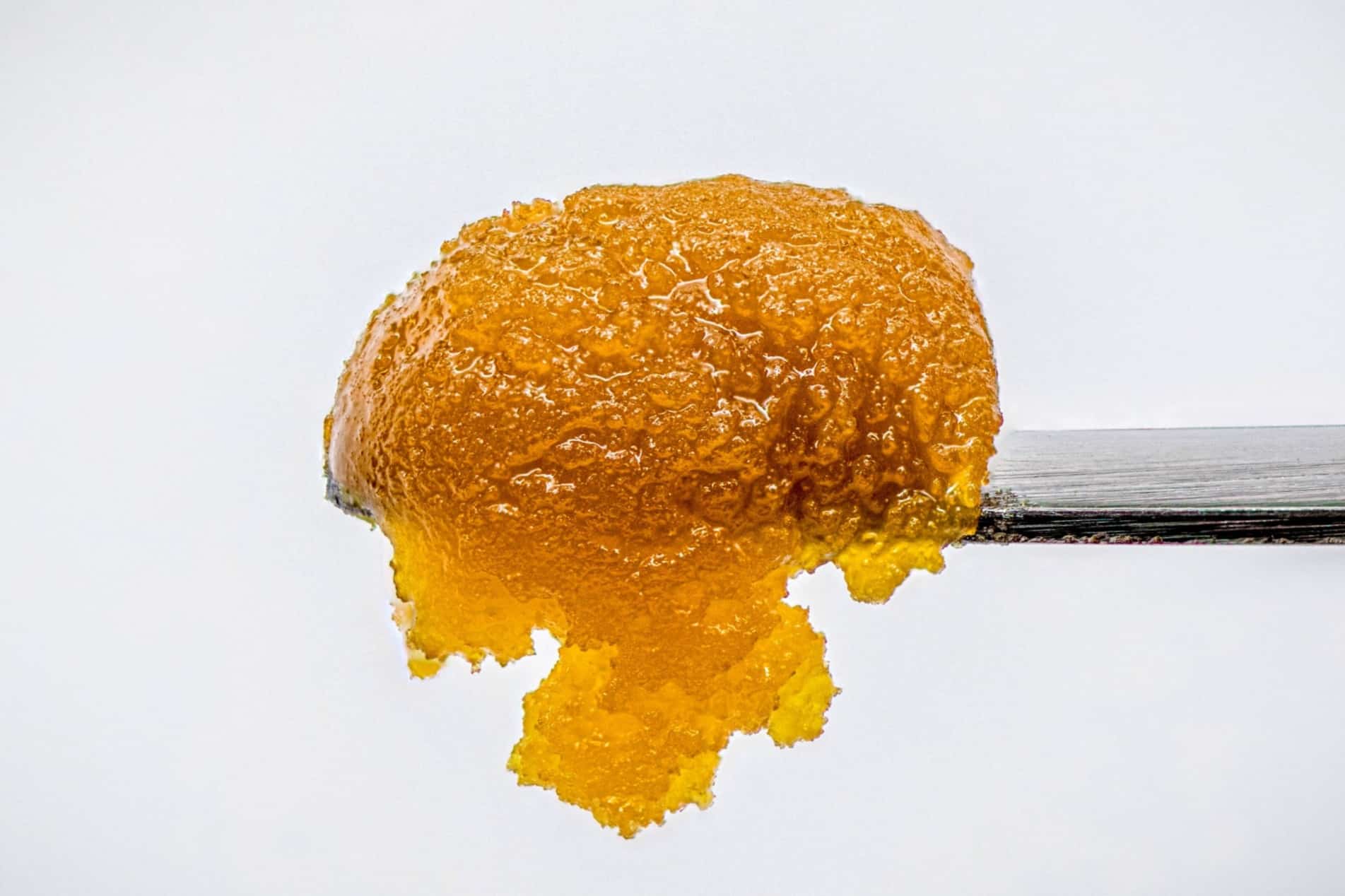
The world of cannabis is constantly evolving, continually offering new forms and variations of products. If you've heard of live resin but aren't quite sure what it is, this text will shed some light on the subject. Indeed, even though live resin is often cited as a major innovation in the cannabis field, it remains relatively unknown to the general public. Discover how this product is revolutionizing the cannabis sphere by offering a unique range of properties.
What is the origin of Live Resin?
The first experiments in live resin production took place in Colorado in the early 2010s. A small group of cannabis growers and extraction experts were behind this innovation. The name William Fenger, also known as Kind Bill, is often cited as a pioneer of this advancement. He is said to have developed a butane (BHO) extraction machine that maintained an extremely low temperature. By doing so, a large quantity of terpenes and cannabinoids were preserved during extraction.
In its early days, the product's ambition was clear: to deliver the highest possible THC level for an intense user experience. However, with the emergence of new cannabinoids on the market, live resin has evolved. Today, it is synonymous with high quality in terms of terpenes and can be found in legal CBD products, completely free of THC.
The Live Resin Extraction Process
What truly distinguishes live resin from other types of resinis its unique extraction process. Resins are usually extracted from cannabis buds that have been previously dried and cured. However, these conventional methods have the drawback of degrading the plant's terpene profile. To overcome this problem, live resin uses fresh flowers. This choice requires specific equipment and advanced skills. The process revolves around several key steps:
- Harvesting fresh flowers directly from the plant.
- Rapid freezing of flowers using dry ice or liquid nitrogen.
- Extraction at very low temperatures, generally around -40°C.
- Solvent removal while maintaining a low temperature.
By following these steps, the resin-rich trichomes are more easily extracted, and the terpene profile is preserved.
Live Resin vs. Live Rosin and Hash Rosin: Understanding the Differences
Live resin and live rosin are often confused due to their similar names. However, these two products differ significantly in their manufacturing processes. Live rosin is produced without solvents and uses heat to extract the trichomes. Hash rosin, on the other hand, is extracted from hashish, not flowers, and is also solventless.
Why Choose Live Resin?
Live resin enjoys a reputation for high quality for good reason. Its extraction method preserves a rich terpene profile, which amplifies the aromas and flavors of the final product. Furthermore, the optimal preservation of cannabinoids influences the potency of the effects experienced. However, care must be taken regarding the type of solvent used for extraction. Supercritical CO2 is often recommended over chemical solvents, which can contaminate the product.
Methods of Consumption of Live Resin
In countries where cannabis is legal, live resin is often consumed pure, by dabbing, or with a water pipe. It can also be used to enhance the terpene profile of other products such as e -liquids or CBD flowers. Despite its many benefits, excessive consumption of high-cannabinoid products can lead to addiction. It is therefore recommended to start with small amounts.
Is it possible to smoke Live Resin?
In France, cannabis, even in its legal form, is not intended for smoking. In other countries where cannabis is legal, such as Canada, live resin can be smoked by infusing the flowers. However, this method of consumption involves combustion, which can be harmful to the lungs.
In summary, live resin has established itself as a true revolution in the world of cannabis, offering a spectrum of unprecedented flavors and effects. Its unique extraction method makes it a product of choice for consumers seeking quality and effectiveness.