



Cannabidiol ,or as an oil. This component of cannabis is renowned for its numerous benefits, ranging from relaxation and calming to pain relief. In this article, we will explore CBD from a medical perspective to understand its true benefits and potential risks.
CBD: A Brief Introduction
CBD, or cannabidiol, is one of the many components found in cannabis. Unlike THC (tetrahydrocannabinol), CBD does not have psychotropic effects, meaning it does not produce a feeling of euphoria or a "high." Since the 1970s, pharmacological research and publications have focused on the properties of CBD, but the distinction between its recreational and therapeutic use remains unclear in many countries.
In June 2018, the U.S. Food and Drug Administration (FDA) approved a CBD-based medication for the first time to treat epileptic seizures that are resistant to conventional treatments. This approval marks a significant step, although the use of CBD remains surrounded by controversy and varying regulations depending on the region.
The Beneficial Effects of CBD on Health
Refractory Epileptic Seizures
One of the most studied and approved areas concerns refractory epileptic seizures, where CBD has shown promising results in reducing seizure frequency in patients resistant to conventional drugs.
Chronic Pain
CBD is also used to relieve certain types of pain, including pain associated with cancer, neurological conditions such as multiple sclerosis, or osteoarticular conditions such as osteoarthritis.
Muscle Contractions
The relaxing properties of CBD help reduce painful muscle contractions, whether resulting from neurological diseases or intense sporting activities.
Psychiatric Disorders
Studies show that CBD may be beneficial for certain psychiatric illnesses, such as schizophrenia, post-traumatic stress disorder, generalized anxiety, and obsessive-compulsive disorder (OCD).
Addictions
CBD has been studied to help reduce opioid addiction, although more research is needed to confirm these results.
Sleep Disorders
CBD appears to improve sleep quality, although it does not replace cognitive sleep therapy.
The Risks and Side Effects of CBD
Although CBD is often considered safe, there are precautions to take. Here are some potential side effects and risks:
Drowsiness and Fatigue
CBD can cause drowsiness or a feeling of fatigue, particularly in people who are very sensitive to this molecule.
Gastrointestinal Effects
Side effects such as diarrhea, nausea, and vomiting may occur in some people.
Drug Interactions
CBD can interact with other medications, particularly psychotropic drugs, potentially leading to liver toxicity. It is crucial to consult a doctor before combining CBD with other treatments.
Impact on Spermatogenesis
Studies suggest a potential impact of CBD on spermatogenesis, although the evidence is still insufficient to make clear recommendations.
Hemp: A Plant with Multiple Uses
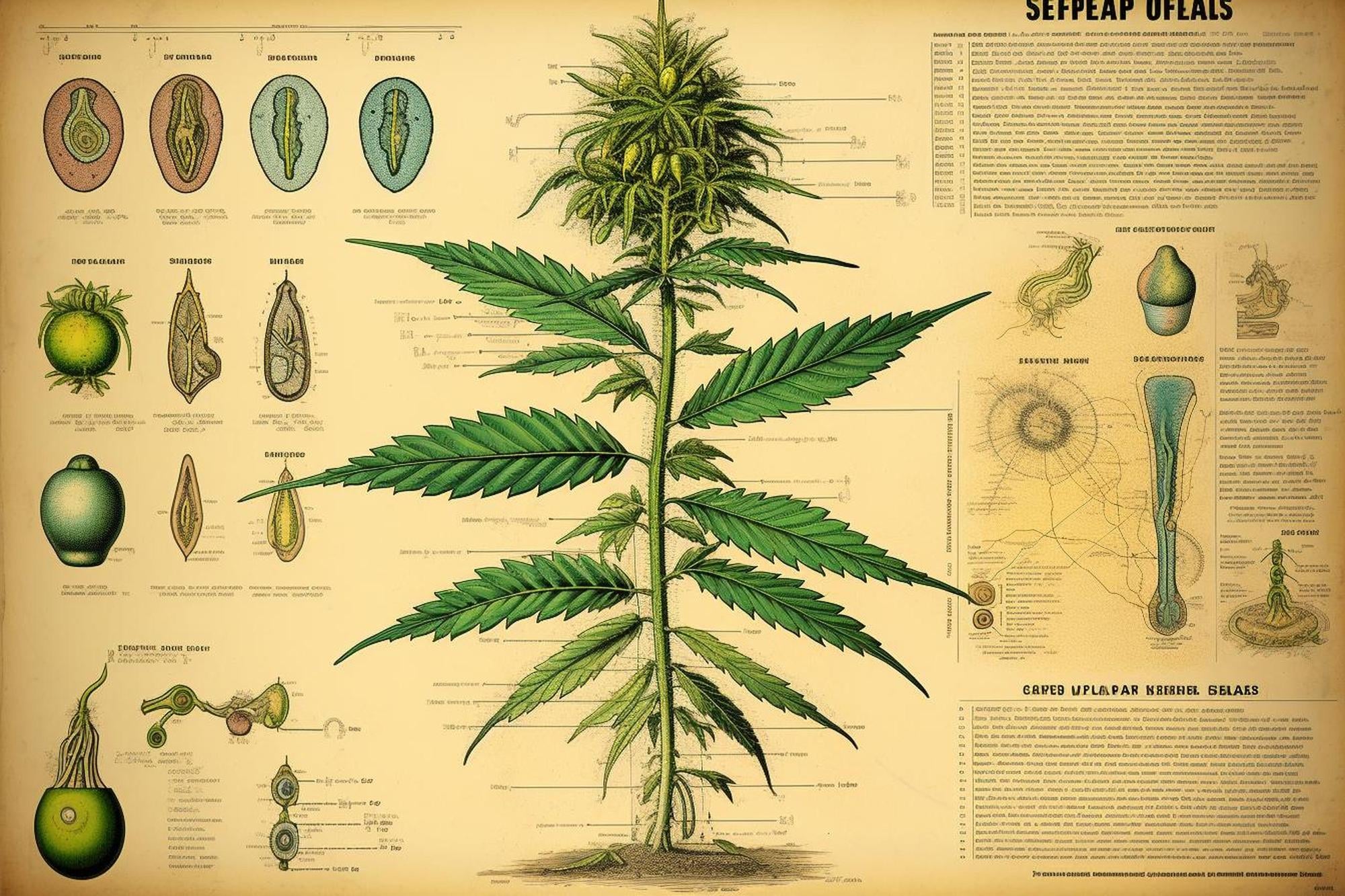
Hemp, from which CBD is extracted, is a plant with diverse and ancient uses. Originating in China, it spread throughout the world thanks to trade and conquests. Hemp has been used to make clothing, sails, ropes, and food since antiquity.
History and Evolution
Hemp has a long history, having been considered a strategic resource until the Middle Ages. In the 18th century, it was widely cultivated in France and the United States. However, with the rise of the petrochemical industry and the influence of cotton lobbies, its cultivation was gradually restricted. Today, thanks to the selection of non-psychoactive varieties, hemp is experiencing a revival, particularly in Europe.
Current Market Opportunities for Hemp
Hemp has applications in various fields:
Cosmetic
Hemp oil is rich in nutrients and minerals, beneficial for skin and hair. It aids in healing and hydration.
Textile
Hemp is 20 times stronger than cotton, offering a longer lifespan to clothes made from this fiber.
Stationery
One hectare of hemp produces as much paper as four hectares of wood over a period of 20 years. Hemp grows annually, unlike trees which require decades.
Plastics processing
Hemp could replace petroleum-based plastics, offering an ecological and biodegradable alternative.
Medicine
Hemp has a variety of medicinal properties, used to treat nausea, vomiting, anorexia, pain, psychiatric disorders, and much more.
Building
Hemp is used for insulation, being five times stronger than wood and naturally repellent against microorganisms and parasites.
Agriculture
Hemp repels pests and competes with weeds, reducing the need for pesticides.
Food Hemp
Hemp seeds are nutritious, rich in protein, essential fatty acids, fiber, and antioxidants. They are considered a superfood due to their exceptional nutritional value.
Conclusion
CBD and hemp offer numerous potential benefits and diverse applications. However, further research is essential to confirm their effects and establish clear recommendations. In the meantime, always consult a healthcare professional before incorporating CBD into your routine. Hemp, meanwhile, continues to prove its value in various sectors, from medicine and textiles to food and construction.
The potential of hemp and CBD is immense, and with proper regulations and thorough research, these resources could become cornerstones of many industries worldwide. Don't hesitate to subscribe to our blog to stay informed about the latest developments and discoveries on the subject. Take care of yourself and explore the many benefits of hemp and CBD in an informed and responsible way.