



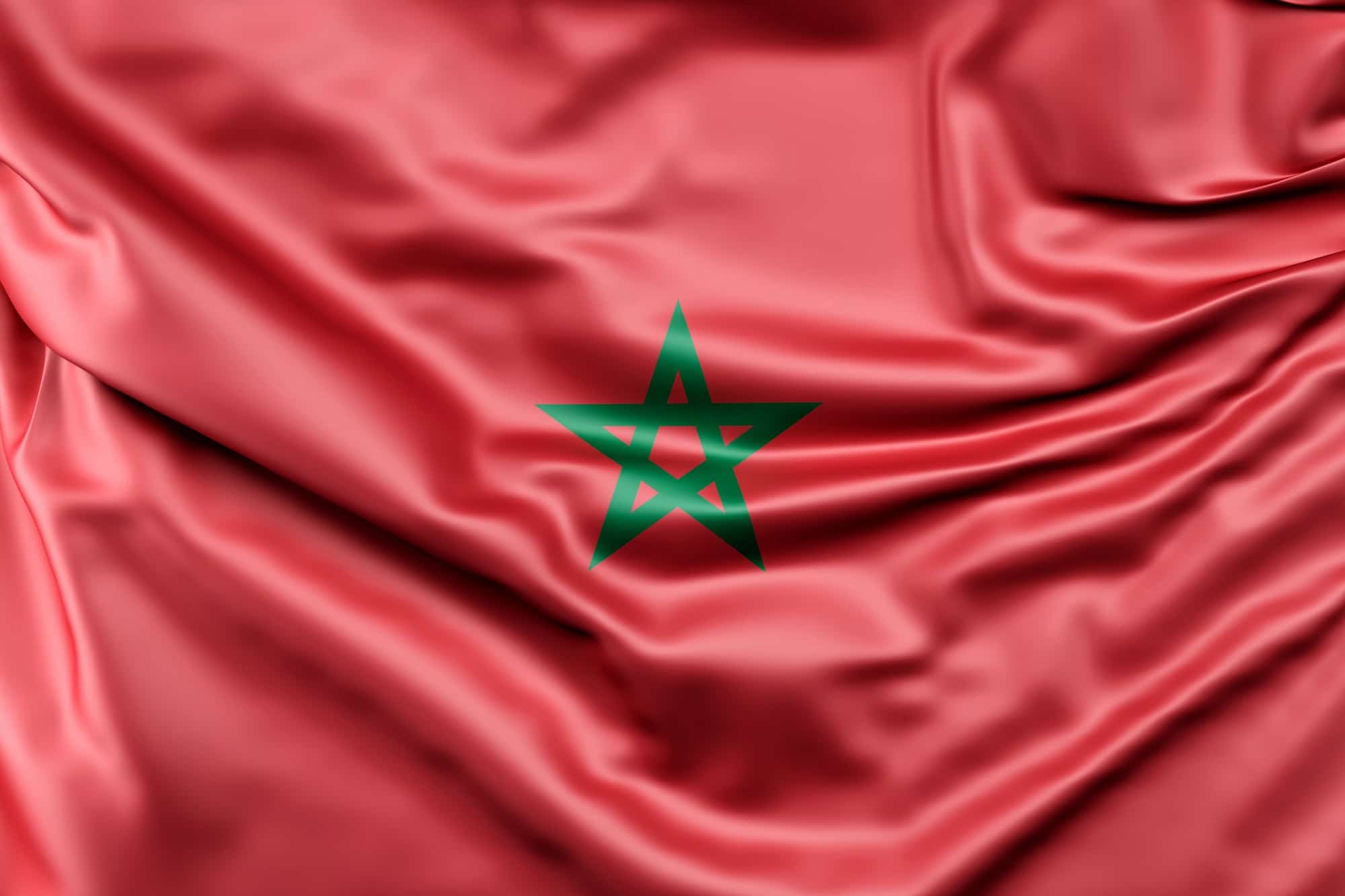
CBD legislation in Morocco: A gradual evolution
Morocco, known for its rich history and agricultural traditions, occupies a unique position in global cannabis production. For several years, the country has shown a keen interest in cannabidiol (CBD), a non-psychoactive molecule in cannabis recognized for its numerous therapeutic benefits. This text analyzes the evolution of Moroccan legislation regarding CBD, the resulting socio-economic issues, and the challenges faced by local producers.
Current Legal Framework for CBD in Morocco
In Morocco, cannabis legislation has always been strict. However, in 2021, the government passed a landmark law allowing the medical and industrial use of cannabis, including CBD. This development is part of a global trend where many countries are adopting more permissive regulations around cannabis, particularly for reasons of public health and economic opportunity. The new legislation therefore allows the use of CBD under certain conditions, while rigorously regulating its production and distribution.
2021 Law: Towards Partial Legalization
The 2021 law marks a decisive turning point in the perception of cannabis in Morocco. Growers in the Rif region, who have been producing kif for generations, can now consider transforming their activity into a legal and regulated sector. Morocco aims to regulate the market by creating a National Agency for the Regulation of Cannabis-Related Activities (ANRAC), responsible for issuing licenses and monitoring quality standards.
Economic Impact and Opportunities for Local Producers
A Local Development Dynamic
Cannabis cultivation represents a significant source of income for farmers in the Rif region, and legalizing CBD production could improve their living conditions and boost the local economy. Recent legislation facilitates a transition to legal production, but numerous challenges remain. Producers must comply with international quality standards and develop expertise in the scientific cultivation of cannabis. Ultimately, legalization could curb the black market, reduce crime, and attract foreign investment, thus positioning Morocco as a major player in the African CBD industry.
Social and Financial Stakes
CBD regulation also aims to protect producers from abuse and the risks associated with illegal activities. By regulating prices and imposing standards, the government hopes to guarantee stable incomes and access to specialized training programs for growers. The legal sector could also offer new employment opportunities in related fields such as transportation, processing, and distribution.
International Comparison: Inspiration and Regulatory Models
Moroccan legislation is often compared to that of other cannabis-producing countries such as Canada and certain American states. In these regions, governments have established a regulated market where the production, distribution, and sale of CBD are strictly controlled. By drawing inspiration from these examples, Morocco can aim for responsible growth of its industry, based on regulations tailored to local specificities.
Canadian Model: Effective Framework
Canada offers an example of rigorous regulation, with laws that impose strict quality controls to protect consumers and ensure product safety. In Morocco , the application of similar standards could strengthen the confidence of domestic and international consumers, while maximizing the tax benefits of this new economy.
Public Perception and Education: Raising Awareness to Convince
CBD is often viewed with skepticism by the Moroccan public due to its semantic similarity to psychoactive cannabis . Indeed, confusion between CBD and THC ( the psychoactive compound in cannabis) is common, leading to reluctance. It is therefore essential to conduct information campaigns to raise public awareness of the benefits of CBD and clarify its medical, therapeutic, and non-psychoactive uses.
Awareness Campaigns: A Necessity
Moroccan authorities could adopt a proactive communication approach to demystify CBD. By disseminating clear information and involving healthcare professionals, they could break down prejudices, promote the safe use of CBD, and encourage consumers to choose regulated and legal products.
Challenges and Solutions for the Development of the CBD Sector
Despite the positive outlook, the CBD sector in Morocco faces several major obstacles. The lack of legislative clarity regarding certain business practices, the complexity of licensing processes, and the high costs of complying with international standards represent significant challenges. However, practical solutions exist to overcome these barriers.
Encourage Transparency and Reduce Bureaucracy
To support the growth of this new industry, it is crucial to establish a transparent legislative framework and simplify administrative procedures. Training and subsidy programs could also help small producers adapt to the required quality standards, while simultaneously facilitating their integration into the global market.
Technological and Infrastructure Investments
Adopting advanced agricultural technologies could enable producers to meet CBD quality standards. By providing financial support for the purchase of modern equipment, Morocco could encourage sustainable, high-quality production that meets the expectations of European and American markets.
The Future of Regulation and the Emergence of a Sustainably Regulated Industry
As the legal framework evolves, the CBD industry in Morocco is expected to continue growing, offering significant opportunities for local producers and fostering an economic model based on environmentally friendly agriculture. The government has the opportunity to sustain the growth of this industry by pursuing balanced regulatory initiatives, supporting producers in their transition, and strengthening the legal market.
In conclusion, the evolving CBD legislation in Morocco represents a valuable opportunity for farmers and the local economy. By establishing a balanced regulatory framework and investing in training and support for growers, Morocco could become a leader in the international CBD.