



Various extraction methods exist for extracting the active ingredients from hemp, allowing the production of different products known as "CBD extraction" (or cannabidiol extraction). There are four main types of extraction: isolates, tinctures, wax, and resin.
CBD Crystals and Isolates:
CBD crystals are a very pure and isolated form of the cannabinoid. Because crystals are an "isolate," only CBD is found in the final product, separated from other cannabinoids and terpenes, with purity levels generally above 99%.
CBD crystals can be used in various ways: vaporizing/dabbing, cooking, tinctures, and e-liquids, and are the result of extraction, often using CO2, followed by crystallization.
CBD Tinctures:
Tinctures are CBD extracts made with alcohol or vegetable oils and come in liquid form, taken as drops, to be held under the tongue for 30 to 90 seconds before swallowing to allow the CBD to be absorbed into the blood vessels under the tongue and enter the bloodstream.
CBD Wax:
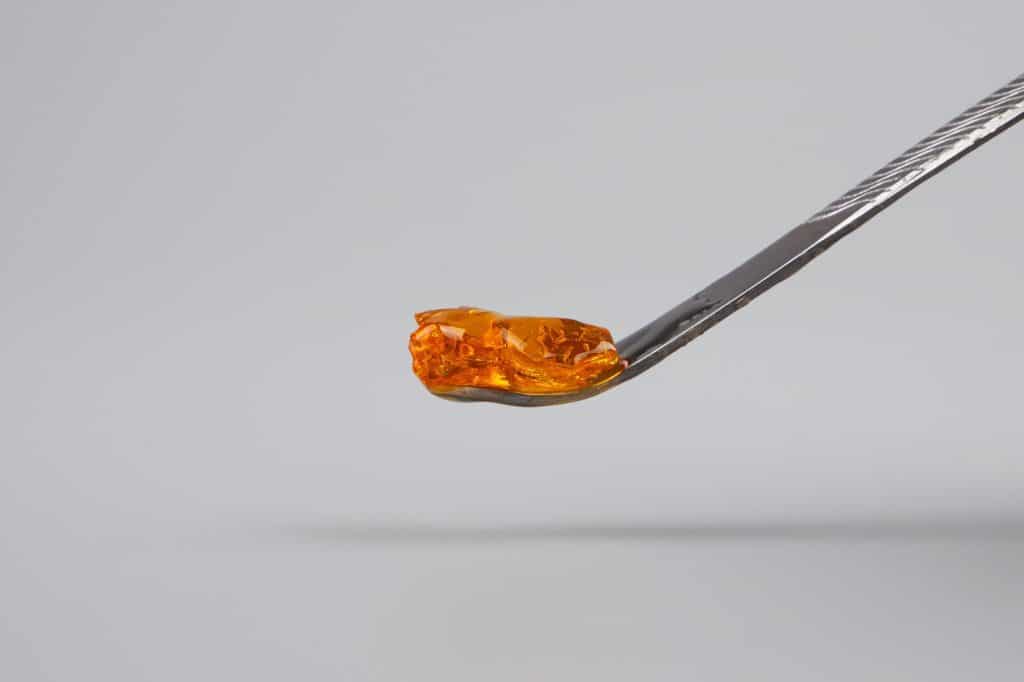
Wax, or wax, is the result of a solvent extraction intended to be consumed by dabbing (rapid inhalation following the vaporization of the wax or another concentrate by placing it on a very hot element) or with a specific electronic cigarette.
CBD resin:
Resin , or "hashish," is a separation of the trichomes from Cannabis. Trichomes, resinous glands located mainly on the tops of the hemp plant, contain, among other things, the plant's cannabinoids.
By repeatedly rubbing the hands on the hemp "flowers," the trichomes detach and accumulate in the palms. The result is a brown resinous paste.
Long after this ancient use, mechanical methods of resin production appeared and most often involve a rotational movement, sometimes accompanied by ice, to promote the detachment of the trichomes from the plant.