



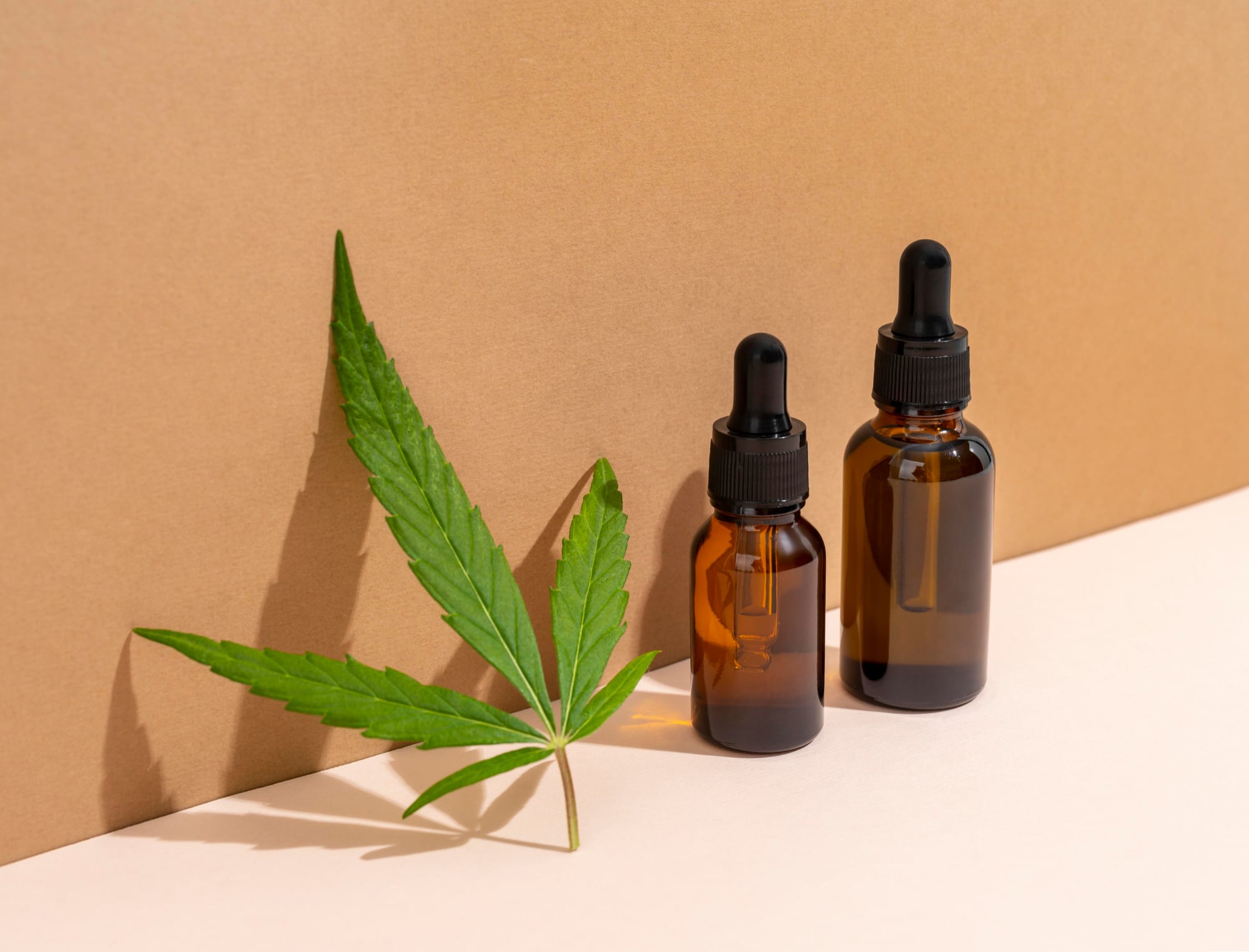
The dosage of CBD (cannabidiol) oil is crucial for those seeking to benefit from its potential effects. CBD, a compound found in the cannabis plant, is known for its numerous therapeutic benefits, without the psychoactive effects associated with THC. However, finding the right dosage can be challenging, as it varies depending on several factors, including weight, age, metabolism, and the nature of the health issue being addressed.
Understanding CBD and its effects
To begin usingCBD oil safely and effectively, it's essential to follow certain key steps. Caution is advised, especially when dealing with products that directly impact our well-being and health.
1. Medical Consultation
- Importance of medical advice : Before incorporating CBD into your routine, it is crucial to consult a healthcare professional. This is especially important for people taking medication, as CBD can interact with certain drugs.
- Medical history review : A doctor can review your medical history and determine if CBD is appropriate for you. They can also advise you on the correct dosage and monitor for potential drug interactions.
- Medical follow-up : In case of side effects or questions regarding the treatment, regular medical follow-up is recommended.
2. Start with a Low Dose
- Principle of caution : Starting with a low dose is the golden rule. This allows your body to get used to the CBD and reduces the risk of side effects.
- Gradual increase : If the desired effects are not achieved, the dose can be increased gradually. This approach allows for the identification of the minimum amount needed to obtain the desired results, while limiting risks.
- Listen to your body : Each individual reacts differently to CBD. It is therefore important to pay attention to your body's reactions and adjust the dose accordingly.
3. Follow the Product Recommendations
- Read the labels : CBD products vary in concentration and formulation. Carefully reading the labels and instructions provided by the manufacturer is essential to understanding how to use the product correctly.
- Follow the suggested dosages : Although dose adjustment may be necessary, it is important to start by following the manufacturer's recommendations and not exceeding the maximum suggested dose.
- Choose quality products : Opt for high-quality CBD products from reliable sources. Look for products that have undergone third-party lab testing to ensure their purity and concentration.
Starting any CBD treatment should be approached with caution and responsibility. Medical consultation, beginning with a low dose, and adhering to the product's recommendations are crucial steps to ensure a safe and beneficial experience. By paying close attention to your body's responses and following professional advice, you can optimize CBD use for your specific needs.
Interaction with the endocannabinoid system
- Role of the endocannabinoid system: The endocannabinoid system is a complex network of receptors and neurotransmitters that play a crucial role in regulating many bodily functions, such as mood, sleep, appetite, pain, and the immune response. It primarily comprises two types of receptors: CB1 and CB2.
- Mechanism of action of CBD: Unlike THC, which binds directly to CB1 receptors (primarily located in the brain) and CB2 receptors (found in the immune system), CBD acts indirectly on these receptors. It alters the receptors' ability to bind to cannabinoids and influences other types of receptors, such as serotonergic receptors. This indirect action contributes to the absence of psychoactive effects and the therapeutic effects of CBD.
- Influence on neurotransmitters: CBD can also affect the levels of certain neurotransmitters in the brain, thus contributing to its effects on mood, anxiety, and pain perception.
Therapeutic effects of CBD
- Anxiolytic and antidepressant: Studies suggest that CBD may help reduce anxiety and depressive symptoms, partly due to its action on serotonergic receptors.
- Pain reliever: CBD is known for its analgesic properties, making it potentially useful in the treatment of various forms of chronic pain.
- Neuroprotective: It has been suggested that CBD has neuroprotective effects, which may be beneficial in conditions such as epilepsy and multiple sclerosis.
- Anti-inflammatory: CBD may also have anti-inflammatory properties, useful in the treatment of various inflammatory conditions.
- Effects on sleep: CBD may help regulate sleep, offering benefits to people suffering from insomnia or sleep disorders.
CBD interacts in complex ways with the body's endocannabinoid system, offering a variety of potential therapeutic effects without the psychoactive effects associated with THC. These properties make it a promising research topic and an interesting treatment option for a range of conditions. However, it is important to note that research on CBD is still ongoing and more studies are needed to fully understand its therapeutic potential and implications.
Factors influencing CBD oil dosage
The factors influencing CBD oil dosage are diverse and essential to understand in order to optimize the use of this product. CBD, a non-psychoactive compound extracted from the cannabis plant, has gained popularity due to its potential health benefits. However, determining the appropriate dose can be complex, as it depends on several individual variables.
1. Body weight
Body weight plays a significant role in CBD oil dosage. Generally, a heavier person will require a larger dose to experience the same effects as a lighter person. This is due to the way CBD is distributed in the body, which is influenced by body mass.
- Weight-based dosage: It is common to start with a rule of thumb of 1 mg of CBD for every 10 kg of body weight. For example, a person weighing 70 kg could start with a dose of 7 mg of CBD.
2. CBD Concentration
The concentration of CBD in the oil varies from product to product. Some products contain a higher concentration of CBD per milliliter, meaning that even a small amount can provide a high dose.
- Read the label: It is crucial to carefully read the product label to understand the amount of CBD contained in each milliliter of oil. This will allow you to adjust the dose according to the concentration.
3. Individual sensitivity
Sensitivity to CBD varies from person to person. This sensitivity can be influenced by genetic factors, metabolism, medical history, and even lifestyle.
- Listen to your body: It's important to start with a low dose and observe how your body reacts. If the desired effects aren't achieved, the dose can be gradually increased.
4. Condition treated
The type and severity of the condition being treated also influence the required dosage. For milder conditions such as stress or mild sleep disturbances, a lower dose may be sufficient. Conversely, for more serious conditions such as chronic pain or certain neurological disorders, a higher dose may be necessary.
- Condition-specific dosage: It is recommended to look for studies or recommendations specific to the condition being treated. A healthcare professional can also provide advice on the appropriate dosage for a particular medical condition.
In summary
The dosage of CBD oil depends on multiple factors, including body weight, CBD concentration, individual sensitivity, and the medical condition being treated. It is essential to start with a low dose and adjust it gradually based on individual reactions and needs, while taking into account the specific recommendations related to each factor. Medical supervision is always advised to optimize treatment and ensure its effectiveness and safety.
How to begin
Starting to use CBD oil requires a careful and informed approach. Here is a more detailed explanation of the essential steps to follow to begin:
Medical consultation
- The importance of consulting a healthcare professional : Before starting any CBD treatment, it is essential to consult a doctor. This step is especially important for people taking medication, as CBD can interact with certain drugs. The doctor can assess whether using CBD is appropriate for your specific situation.
- Discussion of medical history and treatment goals : During the consultation, discuss your medical history, current conditions, and what you hope to achieve with CBD. This allows the doctor to provide personalized advice and determine if CBD may interfere with your current medications or medical conditions.
- Regular follow-up : Regular medical follow-up is recommended to monitor the effects of CBD and adjust the treatment if necessary.
Start with a Low Dose
- Gradual approach : Start with a low dose of CBD and observe how your body reacts. This method helps minimize the risk of side effects and determine the effective dose for you.
- Gradual increase : If the desired effects are not observed, you can increase the dose slowly. This helps to find the optimal "therapeutic dose," that is, the lowest dose that produces the desired effects.
- Dosage customization : The optimal dosage varies from person to person depending on various factors such as weight, metabolism, and the condition being treated. Listening to your body is therefore essential to adjust the dosage correctly.
Follow the Product Recommendations
- Read the instructions carefully : CBD products vary in concentration. It is important to read the instructions provided with the product to understand how to use it and in what quantity.
- Adherence to suggested dosages : Although dose adjustment may be necessary, it is recommended to start by adhering to the dosages suggested by the manufacturer. This helps prevent overconsumption and reduces the risk of adverse effects.
- CBD Quality and Source : Choose CBD products from reliable and verified sources. Tested and certified products ensure greater safety and effectiveness.
The approach to starting CBD use should be methodical and cautious. Consulting a doctor, starting with a low dose, and paying attention to the product instructions are fundamental steps for a safe and effective experience. By following these guidelines, you can maximize the potential benefits of CBD while minimizing risks.
Current dosage
The dosage of CBD oil is a crucial component in achieving the desired effects while minimizing the risk of side effects. It's important to understand that CBD affects each individual differently, and dosages should therefore be adjusted based on individual response. Here's a more in-depth exploration of common dosages:
Low Dose
- Definition and use : A low dose, usually around 1 mg of CBD for every 10 kg of body weight, is often recommended for beginners or for those with a high sensitivity to CBD.
- Purpose and effects : This dose may be sufficient to manage mild conditions, such as minor stress or mild anxiety. It is also useful for assessing the body's response to CBD without causing significant adverse effects.
- Gradual adjustment : If the desired effects are not achieved after a period of use, the dose can be gradually increased.
Average Dose
- Definition and use : The average dose, between 3 and 5 mg of CBD per 10 kg of body weight, is often used to treat moderate symptoms.
- Common applications : This dosage range is generally effective for problems such as moderate pain, inflammation, anxiety, and sleep disturbances.
- Observation of effects : At this level, the therapeutic effects are more pronounced, and it is important to observe how the body reacts to ensure that the dose remains therapeutic and does not cause side effects.
High Dose
- Definition and use : A high dose, defined as more than 6 mg of CBD per 10 kg of body weight, is generally reserved for situations where more severe symptoms need to be managed.
- Targeted conditions : High doses are often used in the treatment of serious conditions such as severe chronic pain, neurological disorders, or certain inflammatory diseases.
- Caution required : At these levels, it is imperative to consult a healthcare professional to monitor effects and avoid drug interactions or undesirable side effects.
These dosages serve as general guidelines and should be adjusted according to individual reactions and treatment goals. Dosage personalization is key, and it is always recommended to start with a lower dose and increase gradually. By following these guidelines and working with a healthcare professional, CBD users can find the optimal dosage for their specific needs.
Methods of administration
CBD oil can be administered in several ways, each with its own advantages and characteristics. The two most common methods are sublingual administration and ingestion. Here is a more detailed explanation of these methods:
Sublingual Administration
- Administration process :Sublingual administration involves placing the CBD oil under the tongue and allowing it to be absorbed for approximately 60 to 90 seconds before swallowing. This method allows the CBD compounds to pass directly into the bloodstream through the blood vessels under the tongue.
- Advantages : One of the main advantages of this method is the speed of absorption. By bypassing the digestive system, CBD can act more quickly, often within 15 to 30 minutes. This can be particularly beneficial for those seeking rapid relief, such as in cases of anxiety or acute pain.
- Considerations : It is important to note that the taste of CBD oil can be strong or unpleasant for some, and this method requires some restraint before swallowing the product.
Administration by Ingestion
- Administration process : CBD is ingested by swallowing the oil directly or by incorporating it into food or beverages. Once ingested, CBD passes through the digestive system and is then metabolized by the liver.
- Advantages : The advantage of this method is its ease of use and the ability to mask the taste of CBD by mixing it with other foods. Furthermore, the effects, although slower to appear, can last longer due to the extended digestion process.
- Time to onset of effects : Ingestion may delay the onset of CBD's effects, generally between 1 and 2 hours after consumption. This may be more suitable for those seeking sustained effects over a longer period, such as for chronic pain relief or improved sleep.
The choice of CBD oil administration method depends on individual preferences, desired speed of action, and ease of use. Sublingual administration offers a fast and direct effect, while ingestion provides longer-lasting effects, although they take longer to appear. It is important to consider these differences when choosing the method best suited to your needs and lifestyle.
Monitoring and adjustment
Monitoring and adjusting the dosage of CBD oil are key steps to ensure the effective and safe use of this product. Here is a more detailed explanation of these aspects:
Keep a Tracking Log
- Purpose of the journal : A monitoring journal is a valuable tool for recording your CBD dosages, as well as the effects experienced. This can help identify the optimal dosage and observe changes over time.
- Important notes : In this journal, it's recommended to record the date, time, CBD dose consumed, method of administration, and effects experienced. It's also helpful to document other factors such as your mood, diet, and stress level, as these can influence how your body reacts to CBD.
- Data analysis : By regularly reviewing your notes, you can detect patterns or trends, which is particularly useful for adjusting the dose or method of administration.
Gradual Dosage Adjustments
- Gradual approach : If the desired effects are not achieved or if side effects are observed, it is important to adjust the dose gradually and carefully. This allows for a controlled increase or decrease in the amount of CBD.
- Listen to your body : Pay attention to your body's signals. If you experience any side effects, reduce the dose. If the therapeutic effects are insufficient, consider increasing the dose slowly.
- Medical consultation : If you have any doubts or questions regarding dosage adjustments, it is always advisable to consult a healthcare professional, especially if you are taking other medications.
Monitoring and adjusting your dosage are essential to getting the most out of CBD oil. By keeping a log and gradually adjusting the dose, you can personalize your CBD experience while ensuring safe and effective use. Listening to your body and consulting regularly with a healthcare professional remain recommended practices to optimize your CBD treatment.
Conclusion
The conclusion regarding CBD oil dosage underscores the importance of a personalized and thoughtful approach. While CBD shows promise for numerous therapeutic applications, careful attention is needed to determine the most effective and safest dosage for each individual. Here is a more detailed explanation of this conclusion:
Dosage customization
- Individual adaptation : Each person reacts differently to CBD due to factors such as metabolism, weight, personal sensitivity, and overall health. Therefore, it is crucial to adjust the CBD dosage according to these individual characteristics.
- Ongoing assessment : Determining the optimal dosage is a dynamic process. What works for one person may not be effective for another. Therefore, continuous evaluation of the effects and necessary adjustments is essential.
Progressive Approach
- Start small : It's wise to begin with small doses and observe how your body reacts. This minimizes the risk of side effects and helps determine the minimum effective dose.
- Gradual increase : If therapeutic effects are not achieved, the dose can be increased gradually, while monitoring the body's responses.
Medical consultation
- Role of the healthcare professional : Consulting a healthcare professional is essential, especially for individuals with pre-existing medical conditions or those taking other medications. The professional can offer personalized advice and help avoid drug interactions.
- Medical follow-up : Regular follow-up with a healthcare professional can help adjust treatment safely and effectively.
Dosing CBD oil is a highly personalized process that requires careful attention to detail and a methodical approach. By starting with small doses, gradually increasing them, and taking into account personal factors, while regularly consulting a healthcare professional, it's possible to find the optimal dosage that meets your specific needs. This approach not only ensures the treatment's effectiveness but also guarantees its safety and suitability for each individual user.