



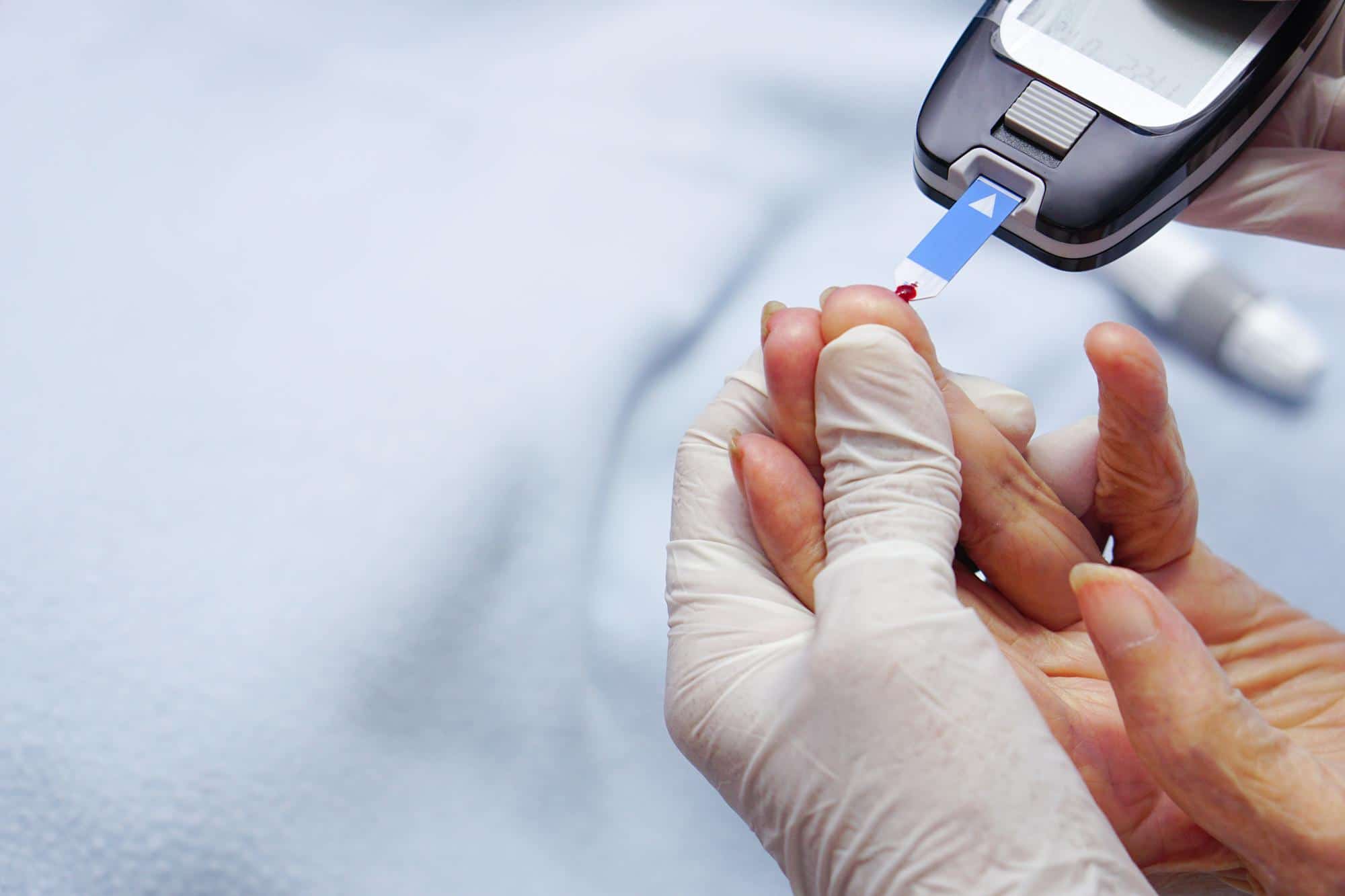
Interactions between CBD and insulin glargine in diabetics
Cannabidiol generatingincreasing interest for its potential therapeutic properties. Studies on CBD are multiplying, and some of them are specifically examining the effects of this cannabinoid in managing diabetes, particularly when used in conjunction with insulin glargine treatments, such as Lantus or Optisulin. In this article, we will explore current research and the prospects for this promising interaction.
Diabetes: a rapidly growing disease
Diabetes is a chronic disease characterized by hyperglycemia, that is, an abnormally high level of sugar in the blood. There are two main types of diabetes:
- Type 1 diabetes : This form is caused by the destruction of the beta cells in the pancreas, which are responsible for insulin production. Patients must administer insulin daily to regulate their blood sugar levels.
- Type 2 diabetes : This type results from insulin resistance or insufficient insulin production. Treatment may include lifestyle changes, oral medications, and sometimes, insulin injections.
Diabetes is rapidly spreading worldwide. According to the World Health Organization (WHO), approximately 422 million adults have diabetes, representing 8.5% of the global population. This disease leads to serious complications such as cardiovascular disease, stroke, blindness, kidney failure, and lower limb amputations.
Insulin glargine: an innovative treatment for diabetes
To address this health crisis, medical research has developed increasingly effective treatments, including insulin glargine. Known by the brand names Lantus and Optisulin, insulin glargine is a long-acting insulin that maintains a stable blood insulin level for 24 hours with a single daily injection. The advantages of insulin glargine over other forms of insulin include:
- Prolonged blood glucose regulation : It offers continuous control of sugar levels over a longer period.
- Reduced risk of hypoglycemia : Less chance of experiencing dangerous drops in blood sugar levels.
- Ease of diabetes management : A single daily injection simplifies treatment and reduces the number of checks required.
CBD: a potential ally for diabetics?
Research on CBD reveals several potential beneficial properties for people with diabetes. Among the effects studied are:
- Anti-inflammatory effect : CBD may protect pancreatic beta cells and promote their survival, which would improve insulin production in type 1 diabetics.
- Metabolism regulation : CBD appears to have positive effects on lipid and glucose metabolism, thus helping to control hyperglycemia.
- Protection against diabetes complications : CBD may help prevent peripheral nerve damage and kidney damage often associated with diabetes.
Although these results are promising, the majority of studies have been conducted on diabetes:
- Type 1 diabetes : This form of diabetes is caused by the autoimmune destruction of the beta cells in the pancreas, which produce insulin. Patients with type 1 diabetes must inject themselves with insulin daily to maintain normal blood sugar levels.
- Type 2 diabetes : This type of diabetes occurs when the body becomes resistant to insulin or does not produce enough insulin. Treatment may include lifestyle changes, oral medications, or insulin injections, depending on the severity of the disease.
Diabetes is on the rise globally. According to the World Health Organization (WHO), approximately 422 million adults worldwide suffer from diabetes, representing 8.5% of the adult population. This chronic disease is a major risk factor for various serious complications, such as cardiovascular disease, stroke, blindness, kidney failure, and lower limb amputations.
Insulin glargine: an innovative treatment for diabetes
To improve diabetes management, innovative treatments such as insulin glargine have been developed. Insulin glargine, marketed under the brand names Lantus and Optisulin, is a long-acting insulin. It allows for stable blood insulin levels to be maintained for 24 hours with a single daily injection.
Advantages of insulin glargine
- Better blood glucose regulation : Insulin glargine offers more stable and prolonged blood glucose regulation.
- Reduced risk of hypoglycemia : The risk of a dangerous drop in blood sugar levels is decreased.
- Ease of use : One injection per day simplifies diabetes management, reducing the need for frequent blood glucose checks.
CBD: a potential ally for diabetics?
Research on CBD has revealed several beneficial properties for patients with diabetes:
- Anti-inflammatory effect : CBD can protect pancreatic beta cells, promoting their survival and improving insulin production in people with type 1 diabetes.
- Metabolism regulation : CBD positively influences lipid and glucose metabolism, thus helping to control hyperglycemia.
- Protection against complications : CBD may protect against complications of diabetes, such as neuropathies and nephropathies.
However, most of these results come from studies on animal models or in vitro. Clinical trials are needed to confirm these effects in humans and determine whether CBD can be used as a complementary treatment for diabetics.
CBD and insulin glargine: an interaction to explore
Encouraging preliminary studies
Preliminary research has begun to examine the interaction between CBD and insulin glargine. A study published in 2016 observed that the simultaneous administration of CBD and insulin glargine in diabetic rats had a synergistic effect. This combination led to more effective blood glucose regulation compared to the administration of each substance separately.
Questions remain
Despite these promising results, several questions remain:
- Mechanisms of action : The exact mechanisms by which CBD exerts its effects are not fully understood.
- Limited studies : The majority of studies have been conducted on animals, requiring further investigation in humans.
- Potential side effects : The possible side effects of the CBD-insulin glargine combination are not yet well documented.
A field to watch closely
The interactions between CBD and insulin glargine represent a promising area of research for diabetes management. Initial studies suggest that this combination could improve blood glucose regulation. However, further clinical trials are crucial to better understand the mechanisms of action, establish optimal conditions for use, and ensure the safety of this therapeutic combination.
Diabetic patients interested in using CBD in addition to their insulin glargine treatment should consult their doctor before making any changes to their treatment plan. Close medical supervision is essential to avoid unwanted interactions and optimize therapeutic benefits.