



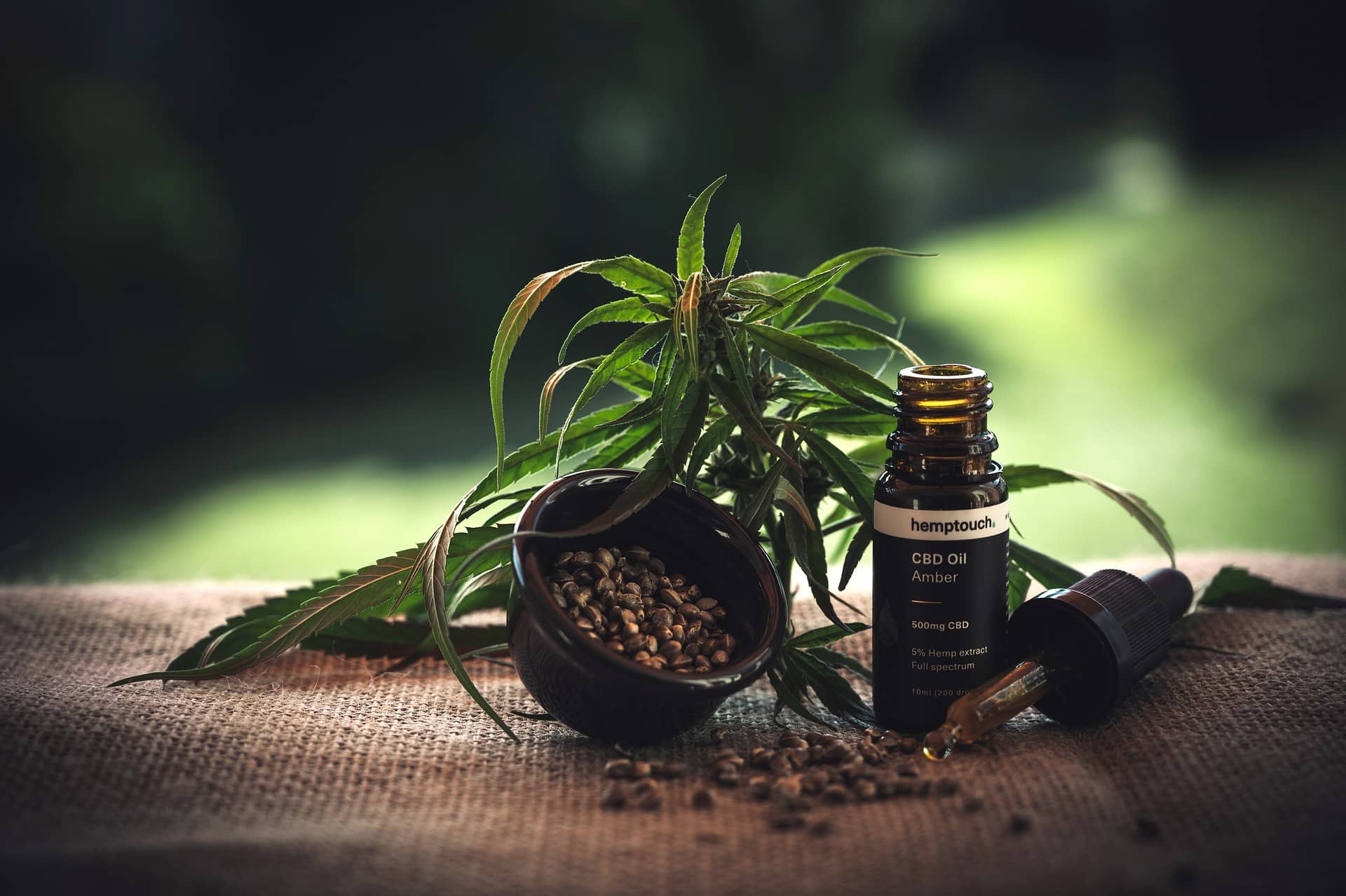
Cannabidiol, also known by its acronym CBD, has come a long way since its discovery. Extracted from the cannabis plant, this substance has gained popularity over the years. Today, CBD is a subject of research and application in various fields, including wellness and medicine. While this product is increasingly popular, many people are unaware of its rich and complex history. Discover in this article what you need to know about the evolution of CBD in the fields of wellness and medicine.
The origins of CBD
The story of cannabidiol begins in the 1940s when chemist Roger Adams isolated this cannabinoid from the cannabis plant. Despite this discovery, the molecule's properties remained unknown for decades. It wasn't until the 1990s that scientific research uncovered cannabidiol's medicinal potential. However, CBD was still often confused with THC, which is known for its psychoactive properties. Later, in-depth studies revealed its non-psychoactive nature, marking the beginning of its gradual social acceptance.
The evolution of the social perception of CBD
For decades afterward, CBD had to overcome the prejudices associated with THC, the psychoactive component of cannabis. It wasn't until the 1990s that scientists began to reveal the medicinal properties of cannabidiol in order to dispel misunderstandings. However, CBD was still hampered by a persistent association with the plant's psychotropic effects. Social perception began to shift when the safety and therapeutic potential of cannabidiol were revealed.
The evolution of CBD in modern medicine
CBD has garnered significant interest from the medical community in recent decades due to its anti-inflammatory, anxiolytic, and analgesic properties. Studies have suggested that CBD may be effective in treating various conditions, including anxiety, chronic pain, epilepsy, and other neurodegenerative diseases.
This significant change led to extensive clinical trials, particularly in the field of pediatric epilepsy. In 2018, the first CBD-based medication was approved by the FDA for the treatment of certain forms of epilepsy.
The growing acceptance of CBD in the wellness field
In addition to its integration into the medical field, cannabidiol has also seen meteoric success in the wellness sector. CBD products such as oils, creams, capsules, and others have flooded the market. Consumers can visit CBD shops to experience the molecule's benefits for physical and mental health.
The success of cannabidiol in the wellness field is largely due to its anti-inflammatory and anxiolytic properties, as seen in medical cannabis. Users are seeking comprehensive solutions to manage and improve their overall well-being. CBD appears to be one of the best alternatives for a healthy lifestyle.
Stress management
CBD's role in naturally managing stress is one of the reasons for its popularity. Most consumers report positive reviews, highlighting cannabidiol's effectiveness in calming the mind and its lack of side effects. This has led to widespread use of the product as an ideal tool for managing daily stress.
CBD-based wellness products
More and more people are demanding CBD-based products to promote overall well-being. To meet this demand, companies are offering a wide range of products on the market, with different methods of administration and intended uses. From soothing infusions to relaxing balms, this cannabinoid derived from medicinal cannabis is proving to be a valuable ingredient for ensuring optimal well-being in modern life.
In short, the history of CBD is a captivating saga that reflects the evolution of perceptions towards cannabis. From its discovery to its medical use and its rise in the wellness sector, cannabidiol continues to reveal its many facets and demonstrate its diverse potential.